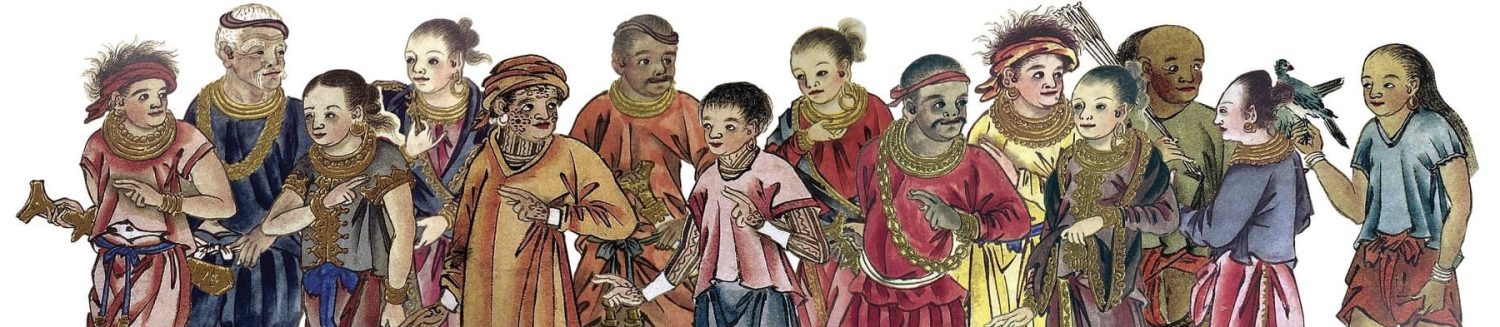
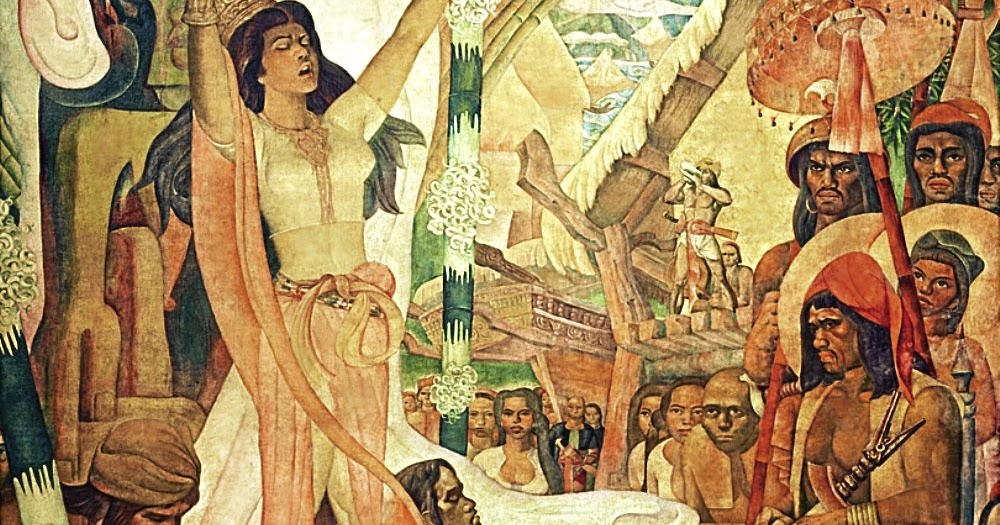
TERMINOLOGY REGARDING SHAMANS FROM DIFFERENT ETHNIC GROUPS
Different ethnic groups had different names for shamans, including shamans with specialized roles. These include:
Abaknon: Tambalan.
Aeta/Agta: Anitu, Puyang (also Poyang, Pawang, Pauang), Huhak (diviner).
Batak, Tanabag: Babalian (in traditional Batak society shamanism is the prerogative of male specialists known as Babalian. Shamans contact spirits during trance, predict future events and are said to possess the gift of clairvoyance. They administer therapeutic remedies and supervise collective subsistence practices, as well as ceremonies to re-establish the cosmological balance. In this respect, their role as managers of natural resources is of great relevance. Certain wilds trees, such as the providers of pollen for the bees, the providers of resins and medicine, etc. as well as different animal species are believed to be under the control of mystical entities (Panya’en). Such entities are also regarded by Batak as Taw (persons), in the sense that they are said to possess a human consciousness and, thus, the ability to establish meaningful interaction with everyday people).
Bagobo: Mabalian (the Mabalian are people—generally women past middle life—who, through sufficient knowledge of the spirits and their desires, are able to converse with them, and to make ceremonies and offerings which will attract their attention, secure their good will, or appease their wrath. They may have a crude knowledge of medicine plants, and, in some cases, act as exorcists. The ceremonies which art performed at the critical periods of life are conducted by the mabalian, and they also direct the offerings associated with planting and harvesting. They are generally the ones who erect the little shrines seen along the trails or in the forests, and it is they who put offerings in the “spirit boxes” in the houses).
Balanguingui: Duwarta.
Banwaon: Babaiyon (also the female datu of the tribe).
Bikol: Balyán, Balyán-a, Balyana, Paraanito, Paradiwata, Paratatak (one who performs circumcision).
Bontok: Insup-ok (heals afflictions caused by malevolent spirits. In every ceremony the spirits are invited to take part in the animal sacrifices through the kapya, a prayer composed extemporaneously by the presiding Insup-ok).
Bukidnon: Baylan (most traffic with the spirit world is through or with the aid of the Baylans —a group of men or women who claim the ability to discover the cause of sickness. They also know how to conduct ceremonies acceptable to the spirits. It is said that the first Baylan was taught by Molin-olin, the spirit of his afterbirth brother, who for this reason is considered a patron and guide. Two other spirits, Ongli and Domalondon, also appear to the Baylan and usually assist in determining the cause of the trouble. The Baylans do not form a priesthood, although they are a definite group. Should one of them be visiting in a village where a ceremony is in progress he or she assists as a matter of course).
Gaddang: Mailang.
Hanunó'o: Balyán, Balyán-an.
Hanunó'o Mangyan: Pandaniwan (the caretaker/guardian of a good spirit familiar called Daniw. The Mangyan say that the malevolent spirits Labāng are humans’ enemies because they eat their flesh and blood so that their “life principle” becomes one of the malevolent spirits. The benevolent Dāniw ancestors ‘Āpu Dāniw help to protect the humans against the Labāng’s ill intentions. The role of the ritual specialist consists in maintaining the socio-cosmic relations that constitute the system which is based on the ‘Āpu relation), Balyán, Balyán–an, Taong Nagmamarayaw.
Higaonon: Baylan.
Hiligaynon: Maaram.
Ibaloi: Mambunong (the maker of prayers presides in all the feasts requiring the recitation of Bunong or prayers), Mansip-ok (the person who identifies the causes of illness), Mankutom (the wise man interprets the meaning of events. For example, when a kitchen utensil breaks during a marriage ceremony, the Mankutom may interpret this as a premonition for the breaking up of the couple. Certain ceremonies are then performed to remove its ill effect).
Ifugao: Mandadawak, Dawak, Insupak, Mon-lapu, Tumunoh, Alpogan, Mumbaki, Manalisig (apprentice), Munagao and Mumbini (women priests are called Mungao while male priests are called Mumbini).
Ilocano: Baglan, Mangoodan, Manilao, Mangalag (medium), Mangngagas (herbalist).
Isneg: Alopogan, Dorarakit (the functions of a Dorardkit woman are numerous and varied. She determines, chooses, collects and distributes the Tanib or amulets, which play such an important role in the life of an Isneg, although not all of these come under the jurisdiction of a single shaman. She is the universally accepted physician and surgeon in all kinds of sickness), Anitowan.
Itneg: Mandadawak, Alpogan.
Ivatan: Machanitu (medium. Folk herbal medicine has been developed together with the practice of Machanyitu or calling for the assistance of the Anyitus. His powers are generally regarded as beneficent to good people and threatening to the bad. He can catch thieves and discover the cause of illness and bring their cure by communicating with the invisibles. Healers also go by the names Mamkāw , Masulib Du Dasal or Malatin , Manulib , and Mamālak . In so far as they deal with illnesses believed to be caused by invisibles. They are regarded as privileged humans who are not only of the visible world, but also in possession of powers belonging to, or on the level of, the Anyitu. Thus, it is sometimes said of them, “Anyitu u vit na” half of him is Anyitu), Maymay (midwife), Mamalak (diviner).
Ikalhans: Mabaki (among the Ikalhans, the Mabaki takes care of all the ritual proceedings. It is he who invokes invitations to the ancestors and spirits Ampahit to join the celebration and bring blessings).
Kankana-ey: Manbunong (medium), Mansib-ok (healer), Mankotom (diviner, also Mankutom).
Kapampangan: Katulunan (also Catulunan).
Karay-a: Ma-aram, Mangindaloan (healer), Soliran (diviner, also Soli-an).
Kalinga: Mangalisig (the priesthood is almost entirely in the hands of women. Entry into it is always in answer to a “call”, and is in a sense, compulsory: the woman begins to sleep badly, has many dreams, grows thin, lacks appetite, believes that her soul has married an anitu and that she can extricate herself from the condition only by becoming a priestess), Manganito, Mandadawak.
Lumad: Balian, Balyan, Mabalian.
Maguindanao: Walian (female shaman, midwife), Pendarpa'an (medium), Pedtompan (medium), Tabib (healer), Pangagamot (apprentice healer, also ebpamanggamut), Ebpamangalamat (diviner).
Mamanwa: Baylan, Binulusan, Sarok, Tambajon (healer, also Tambalon).
Marinduque: Magtatawak (known as snake bite healers. They use various combinations of 150 plant species to create their healing combination of “tawak.” Collection of the plants and the making of concoctions are done. Preparation is accompanied by cultural traditions, like “usal and bulong” incantations which has been passed down over generations).
Mandaya: Baylan, Balyan, Baliyan, Ballyan (there is in each community one or more persons, generally women, who are known as Ballyan. These priestesses, or mediums, are versed in all the ceremonies and dances which the ancestors have found effectual in overcoming evil influences, and in retaining the favor of the spirits. They, better than all others, understand the omens, and often through them the higher beings make known their desires. So far as could be learned the ballyan is not at any time possessed, but when in a trance sees and converses with the most powerful spirits as well as with the shades of the departed).
Manobo: Bailan (the Bailán is a man or woman who has become an object of special predilection to one or more of those supernatural friendly beings known among the Manóbos as Diuáta. This will explain why the word Diuatahán is frequently used, especially by the mountain people, instead of Bailán. It was told by priests that this special predilection of the deities for them is due to the fact that they happened to be born at the same time as their divine protectors. This belief, however, is not general), Baylan, Beylan, Baylanen (also Baylanon), Manhuhusay (mediator, keeper of traditions, also Tausay), Manukasey healer against sorcery), Walian or Walyan, Diwata (head shaman).
Manobo, Mount Apo: Onituwan (for the Manobo people, the unseen world of spirits is as real, if not more so, than the seen or physical world. There are many spirits with Monama the Creator and Onitu ‘spirits’, each of whom has been given authority to watch over an area of creation. Spirit mediums onituwon allow a spirit to possess them which then becomes their familiar spirit. Then there are a host of spirits, good and bad, residing in the rocks, hills, trees, caves, rivers, and all of nature. These spirits would make friends with people whom they liked because they were good to them. A person who has a familiar spirit is called an onituwon ‘spirit medium’. The spirit tells what he needs through the person he enters. That per son then be comes like a prophet. There are many spirits who watch over this world. If some one is sick, those they accuse are the evil spirits, because it is said they were inflicted by an evil spirit. There fore they gather medicinal plants in the wild for the one touched by an evil spirit. These beliefs concerning evil spirits are still prevalent today. And the beliefs are not gone be cause the Manobo people believe that they were also included at the creation of the world).
Maranao: Walian, Pamomolong, Pantak (sorcerer who injures a person’s enemy; gagamoten magical poisoner charms a loved one with kata-o sa kababago-i), Pamonolong (cures corporal sickness and poisoning of an individual through a tawar or a prayer or magical spell), Pendarpaan (spirit medium cures any type of sickness except those determined by fate. Diagnosis of the cause of illness is done first before traditional healers conduct treatment).
Palaw'an: Belian , Bäljan (a male ritual specialist, Bäljan, conducts rituals, but many other people both male and female, perform ritual dances with or without trance. Everywhere amongst lowland Palawan people, gong beating is synonymous of ritual calling of the deities, Diwata, or “Powerful Ones,” kawasa. During cleansing rituals, the Bäljan is responsible for what is happening, and he should be able to fight and drive away the Galap or Tandajag giant serpent before it swallows the whole country or makes it disappear in a hole or a lake where it would sink with all its denizens).
Sama-Bajau: Balyan, Wali jinn, Dukun, Papagan, Pawang, Bomoh, Kalamat (diviner), Panday (healer, midwife), Kalamat/Dukun .
Sarangani: Magbulungay.
Subanen: Balian, Tanguiling.
Suludnon: Banawangon.
Tagalog: Katalonan (also Katalona, Catalona, Catalonan), Bayog, Bayoguin, Manganito, Sonat, Anitera (or Anitero), Lubus (herbalist), Manggagamot (healer), Manghuhula or Pangatahoan (diviner), Hilot (midwife), Albularyo and Mangluluop (general practitioners of folk medicine), Manghihilot (specialists in fractured or broken bones, sprains, and other sala), Magpapaanak and Hilot (the term Hilot is derived from the activity used in the healing process (the Magpapaanak Orhilot are men or women who are skilled in assisting mothers in the delivery of their babies), Magluluop (specialists in divining illness through a ritual, known as Luop. Some Magluluop may also be Albularyo, but most of them are simply diviners of illness, particularly those caused by the environmental spirits. If the Magluluop is merely a diviner, he does not treat any disease unless it is absolutely necessary, as in emergency cases; instead, he refers the illness he has diagnosed to the appropriate specialist who has the power to cure it).
Talaandig: Walian.
Tausug: Mangubat (also Mangungubat, Magubat), Pagalamat (diviner).
Tagbanwa: Bawalyan, Babaylan (the Tagbanuwa Babalyan have numerous duties and influence upon the everyday social activities of the people. They select ritually favourable clearings, placate environmental deities, interpret dreams, provide charms for hunting and fishing, and treat all types of serious illness. During the familial ‘Bilang’ ceremonies any adult can invoke the spirits of the dead. But the many deities which appear during the ‘Pagdiwata’ rituals can only be called by the Babalyan. They guide the interaction of the living with the deities as well as with the dead. The majority are women, but the higher religious functionaries are men in political and juridical roles. The position of Babalyan is not inherited. There is, nevertheless, a marked tendency towards direct lineal succession).
Tinguian: Alopogan (the superior beings talk with mortals through the aid of the Alopogan, known individually and collectively as Alopogan “she who covers her face”. These are generally women past middle life, though men are not barred from the profession, who, when chosen, are made aware of the fact by having trembling fits when they are not cold, by warnings in dreams, or by being informed by other alopogan that they are desired by the spirits. A woman may live the greater part of her life without any idea of becoming a Alopogan , and then because of such a notification will undertake to qualify. She goes to one already versed, and from her learns the details of the various ceremonies, the gifts suitable for each spirit, and the chants or dīams which must be used at certain times).
T'boli: Tao D'mangaw, Tao Mulung (healer), M'tonbu (healer).
Panay: Ma-aram (literally means “knowledge”).
Visayan: Babaylan (also Babailán, Babailana), Baylan (also Balyan, Balian, Baliana, Vaylan), Daetan (also Daytan, Daitan), Katooran (also Catooran), Mamumuhat, Makinaadmanon, Diwatera (or Diwatero), Anitera (or Anitero), Mananambal (healer), Himagan (healer), Siruhano (herbalist), Manghuhula or Manghihila (diviner), Mananabang (midwife), Dailan (from dait which means friendship/peace).
Cebu: Mananambal (their work of healing is called Panambal).
Bohol: Diwatero and Mamumuhat (the ones who cure illness specifically caused by supernatural beings and Buyag, they are a medium who acts as intercessor between humans and the spirits).
Yakan, Bikol, Leyte, Samar: Bahasa (herb-doctor or medicine man).
Negros Occidental: Mang Hihilot and Manug Luy-a (considered traditional healers, people usually come to these healers if they experiencing illness).
INITIATION
Most babaylan inherit their status from an older babaylan they are apprenticed to, usually a relative. In some cultures, such as the Isneg people, older shamans can choose apprentices from among the eligible young women of the village.
A few, however, become babaylan after experiencing what has been termed a "shamanistic initiatory crisis" (also "shamanic illness" or "shamanic madness"). This includes serious or chronic illnesses, near-death experiences, sudden seizures and trembling, depression, strange events or behavior (including climbing balete trees or disappearing for several days with no memory of the events), bouts of insanity (including those induced by psychological trauma from a past event), and strange visions or dreams. These are regarded as encounters with the spirits, where the soul of the person is said to be journeying to the spirit world. In cases like this, it is said that a spirit chooses the person, rather than the other way around.
After being chosen, shamans go through an initiation rite. These rites are meant to gain or transfer the patronage of a spirit. Among Visayans, this ritual is known as the tupad or tupadan. In cases of people with "shamanic illness", these initiation rites are regarded as the cure, where the initiate regains health or sanity by conceding to the wishes of the spirits and "answering the call". When volunteered rather than volunteering, their relatives are usually required to pay a large fee to the senior shaman for the training. Initiation rites can range from simply inducing a trance through herbs or alcohol, to inducing personal crises through physical or psychological hardship. Extreme examples of initiation rites include getting buried alive or being immersed in water overnight.
After initiation, the apprentices are then trained in the details of their role. This training includes learning about rituals, chants and songs, the sacrifices appropriate for each spirit, oral histories, herbs, healing practices, and magic spells, among other things. They usually assist the senior shaman during ceremonies until their training is complete, which can take months to years. Each shaman can have one or more such apprentices, at varying ranks or specializations.
SPIRIT GUIDES
The shaman's power to communicate with the spirit world is derived from their spirit companions that guide them and intercede for them. These spirits are usually referred to in euphemistic terms like abyan (friend), alagad or bantay (guardian), or gabay (guide), among other terms. Shamans have at least one abyan, with more powerful shamans having many. Certain individuals, like powerful leaders or warriors (Especially those with shaman relatives), are also believed to have their own abyan that give them magical powers. Abyan are also believed to guide, teach, and inspire skilled artists and craftsmen in the community.
Abyan spirits can be ancestor spirits, but they are more commonly non-human spirits. Shamans either have spirit companions from birth, draw their attention during the "shamanic illness", or gain their allegiance during initiation into shamanism. Spirits are believed to be social beings, with individual quirks and personalities (both good and bad). The friendship of abyan depend on reciprocity. The shamans do not command them. People with abyan must regularly offer sacrifices to these spirits, usually consisting of food, alcoholic drinks, ngangà, and blood from a sacrificial animal (usually a chicken or a pig) in order to maintain good relations. This friendship of abyan, once earned, is enduring. They become, in essence, part of the family. The abyan of a deceased shaman will often "return" to a living relative who might choose to become a shaman as well.
The abyan are essential in shamanistic rituals, as they prevent the shaman's soul from getting lost in the spirit world. They also communicate entreaties on behalf of the shaman to more powerful spirits or deities, and fight evil spirits during healing or exorcism rituals.
SPIRIT MEDIUMS
The primary role of shamans were as spirit mediums. They were intermediaries between the physical world and the spirit world, due to their ability to influence and interact with the spirits (anito), both malevolent and benevolent.
There are two general types of spirits usually interacted with in séance rituals. The first are the environmental or nature spirits "bound" to a particular location or natural phenomenon (similar to genii loci). They "own" places and concepts like agricultural fields, forests, cliffs, seas, winds, lightning, or realms in the spirit world. Some are also "keepers" or totems of various animals and plants. They have inhuman and abstract qualities, reflecting their particular dominions. They do not normally appear in human form and are usually gender-less or androgynous. They rarely concern themselves with human affairs. Rituals involving these spirits are almost always conducted outdoors.
The second type of spirits are the "unbound" spirits that have an independent existence. They appear as animals (usually as birds) or in human-like forms, have gender differentiation, and have personal names. These are the most common types of spirits to become abyan, as they are the most "sociable" and can take interest in human activities. These spirits are usually referred to as engkanto in modern Filipino folklore. Unlike the "bound" spirits, these spirits can be invited into human households, and their rituals can take place both outdoors and indoors.
These categories are not static, however. A bound spirit can become unbound, and vice versa. Some shamans have spirit guides which are originally nature spirits that have become unbound.
Not all shamanic rituals result in spirit possession. Unbound spirits always possess shamans during rituals, either voluntarily or involuntarily. In contrast, bound spirits, as a rule, do not possess shamans. Instead, they are simply spoken to by the shaman. Bound spirits that inadvertently "stick" to humans are considered dangerous, and are the causes of spiritual illnesses, including confusion, strange food cravings, lust, and unreasoning anger. Sometimes in order to speak to certain bound spirits, the shaman may need the intercession of their abyan, who in turn will possess the shaman. Bound spirits can also be interacted with by non-shamans, like when offering sacrifices to the spirit of the forest before a hunt.
The Katalonas performed public ceremonies for community prosperity, fertility, or seasonable weather as well as private services to diagnose and cure ailments. They were respected for these functions but they were also feared sorcerers able to work black magic. Their numbers were large enough to put them in competition with one another. Individual success was attributed to the power of the deities with whom they identified, and who took possession of them in their frenzied dancing. The Tagalog word "olak" is a term for the trembling of the whole body of the catalona, when she becomes possessed by the devil (anito). As spirit mediums, they conducted séances during which they spoke with the voice of spirits (anito), assisted by an "alagar" ("alagad", meaning personal attendant) to carry on the dialogue with the supernatural, or sent their own kaluluwa (soul) to seek lost souls. In this state of trance, the catalona was called "tarotaro" (voices), for it was believed that the ancestral spirits had entered her body and were speaking from inside her. Tarotaro is a Tagalog term describing the katalonas while possessed by the spirits, in this state, they cried "tarotaro". When a catalona held the gift of prophecy, she was named masidhi (the fervent one).
HEALING
Healing was the most important role for shamans in their communities. Natural illnesses do not require a shaman for healing, while spiritual illnesses do.
Like in other Anitistic Filipinos believed in the concept of soul dualism (sometimes referred to as "twin souls" or "double souls"). A person is believed to be composed of at least two souls—the breath of life (ginhawa or hininga, which stays with the living body) and the astral soul (the kalag or kaluluwa, which can travel to the spirit world). The ginhawa is believed to reside in the pit of the stomach (usually the liver), while the kalag resides in the head. The ginhawa represents the person's body and bodily urges; while the kalag represents the person's identity, mind, and strength of will. Both are required in a living person.
Natural illnesses are the result of damage to the ginhawa. While they do not require a shaman, they are still important, as the death of the ginhawa will also mean the death of the body. These can be treated by skilled shamans, but were more often relegated to apprentices or assistants specializing in healing or herbalism.
Spiritual illnesses, on the other hand, are believed to be caused by the separation of the kalag from the ginhawa (referred to as "soul loss" in anthropological literature). This separation happens normally during sleep, where the kalag detaches to travel through the spirit world, resulting in dreams. However, when this separation happens when the person is awake, it results in spiritual illnesses. The causes of the separation can include the kalag getting lost in the spirit world; the kalag being captured, attacked, or seduced by another spirit; or simply the refusal of the kalag to return to the ginhawa. While it is not immediately lethal, the loss of the kalag can result in the loss of the person's mind and identity—thus insanity. Spiritual illnesses also include delirium, depression, trauma, fainting spells, and other mental illnesses. Evil or undesirable behavior may also be blamed on disharmony between the kalag and the ginhawa.
Shamans may also perform rituals to heal and strengthen the kalag of a person. These include the ritual of batak dungan or batakan among Visayan shamans. It strengthens and empowers the kalag of a person to prepare them for challenges, problems and obstacles. This ritual also protects the person from possible spiritual attack caused by malevolent spirits and sorcery.
Aside from rituals and herbal medicine, an ubiquitous traditional healing method done by shamans and healers is massage with oils (lana) known as hilot or haplos. It is still commonly practiced to this day. Hilot is an ancient Filipino art of healing. It uses manipulation and massage to achieve the treatment outcome, although techniques differ from one practitioner to another. Similar to the albularyo practice, hilot is a fusion of spiritual and medicinal practices, with physical manipulation and the focus on healing the whole body being the main distinctions between the two practices. Illnesses are referred to as pilay and are defined by imbalances in the body, which are explained by their enkanto (or unseen entities), elements, and manifestations in the body. The manghihilot ("massager", "folk massage therapist", "folk chiropractor") uses massage techniques to treat sprains, fractures, and other similar conditions that affect the skeletal and muscular system, including ligaments. The practice treats illnesses in a variety of ways, based on its own universal law and natural Law, such as physical manipulation, herbal remedies, and dietary or lifestyle advice.
DIVINATION
The rotation of the Bakunawa in a calendar year, as explained, Divination was closely tied to healing, as it was primarily used for diagnosing illnesses. It can be done by shamans or by specialized apprentices with the necessary skill. Various paraphernalia and rituals are used to diagnose illnesses: examples include seashells, ginger, crystals made of quartz or alum (tawas), and chicken entrails. Diviners have names that indicate their preferred methods. For example, a diviner who uses alum crystals is known as a magtatawas, while a diviner that prefers to conduct a ritual known as luop is known as a mangluluop.
Diviners are also able to foretell the future and perform geomancy rituals. A key mythological creature used in babaylan geomancy in the Visayas is the bakunawa (or naga), usually depicted as a gigantic serpent or dragon with a looped tail. The movements of the bakunawa affect the physical world, from the phases of the moon, to eclipses, the weather, floods, and earthquakes. The bakunawa is central to a sixteen-point compass rose. It faces a different cardinal direction every three months; facing north (aminhan), west (katungdan), south (bagatnan), and east (sidlangan) in a given twelve-month lunar year. The mouth of the bakunawa is believed to bring misfortune and evil, and various points on the compass had different aspects depending on where the mouth was facing. These were consulted when making future plans like travel, trade, or marriage. When building houses, shamans were also often consulted to determine the most propitious placement of the foundations to avoid the ill luck brought by the bakunawa.
SORCERY
Some shamans were believed to be able to control the physical world through incantations, talismans, potions, or their spirit intermediaries. Healers are more strongly associated with sorcerers than mediums. In most cases, a healer is also a sorcerer. In order to cure or counteract sorcerous illnesses, healers must themselves know sorcery. This relationship is most apparent in Siquijor Island, where healer-sorcerers are still common.
In some cultures, like the Manobo people, shamans are entirely differentiated from sorcerers. Shamans deal with the spirit world and supernatural beings but do not have magical powers of their own, while sorcerers are regarded as human beings with powers gained from magical spells or objects. Illnesses believed to be caused by sorcery are treated differently from illnesses caused by spirits. The former are treated with counter-spells, simple antidotes, and physical healing; while the latter requires the intervention or dialogue with the spirits and thus a shaman ritual.
In contrast, in Visayan societies, the most powerful shamans were sorcerers known as dalagangan (also dalongdongan or busalian). They could purportedly command the elements through magic spells and the strength of their kalag (or dungan) which was equated with "spiritual power". Their alleged powers include conjuring fire or water, flight, shape-shifting, invisibility, invulnerability, and the ability to call down disasters. The dios-dios leaders of the Visayan peasant revolts in the late 19th century often claimed to possess these kinds of powers. A more common use of the power to command elements is rainmaking. A notable example was Estrella Bangotbanwa, a Karay-a ma-aram from southern Iloilo. According to local legend, she alleviated a three-year drought by performing a ritual that summoned a rainstorm.
Sorcery was not restricted to shamans, but was also a common claim for leaders and warrior-heroes. In the Maranao society depicted in the Darangen epic poem, heroes are born with "twin spirits" (Newar: tonong) that grant them superhuman abilities. King Awilawil o Ndaw of the kingdom of Kaibat a Kadaan, for example, has a tonong named Salindagaw Masingir that can take the aspect of typhoons, floods, and pillars of fire; while King Dalondong a Mimbantas of the kingdom of Gindolongan Marogong, has a tonong named Mabokelod, a Romba which takes the form of a giant crocodile.
TALISMANS AND POTIONS
Shamans can use multiple kinds of items in their work, such as talismans or charms known as agimat or anting-anting, curse deflectors (such as buntot pagi), and sacred oil concoctions, amongst others.
BLACK MAGIC
Sorcerers are also believed to have powers that cause harm to other people covertly. Healer-sorcerers who practice this kind of sorcery usually justify it as a form of criminal punishment, as it is a widespread belief that black magic does not work on people who are innocent. Their targets are usually "wrongdoers" like thieves, adulterous spouses, or land grabbers. Sorcery of this type is seen as a kind of "justice", especially for people who cannot (or fail to) legally prosecute a wrongdoer.
There are also "true" sorcerers who are said to have hereditary sorcerous powers. Unlike healers, they do not consider the justice of their actions. These sorcerers are often conflated with aswang, evil vampire-like supernatural beings capable of appearing human (or were originally human).
The negative counterparts of the shamans are collectively called as witches. However, these witches actually include a variety of different kinds of people with differing occupations and cultural connotations depending on the ethnic group they are associated with. They are completely different from the Western notion of what a witch is. Notable examples of witches in a Philippine concept are the mannamay, witches known to the Ibanag people; mangkukulam, witches that use materials from nature and the cursee as a form of curse; and the mambabarang, witches that utilize insects as a form of curse.
Babaylan were highly respected members of the community, on par with the noble class. In the absence of the datu (head of the community), the babaylan took on the role of interim head of the community. Babaylans were powerful ritual specialists who were believed to have influence over the weather and could make use of various spirits in the natural and spiritual realms. Babaylans were held in high regard since they were believed to possess powers that could block the dark magic of an evil datu or spirit and heal the sick or wounded. Among other powers, the babaylan could ensure a safe pregnancy and child birth. As a spiritual medium, babaylans also lead rituals with offerings to the various divinities or deities. As an expert in divine and herb lore, incantations, concoctions, remedies, antidotes, and a variety of potions made of various roots, leaves, and seeds, the babaylans were also regarded as allies of certain datus in subjugating an enemy. Hence, the babaylans were also known for their specialization in medical and divine combat. As remuneration for their services, they received a good part of the offerings of food, wine, clothing, and gold, the quality and quantity of which depended on the social status of the supplicant. Thus, the catalonas held a lucrative as well as prestigious role in society.
Shamans of the many ethnicities in the Philippines always have another role in the community, aside from being spiritualists. Similar to the Shinto kannushi, a shaman could be a merchant, warrior, farmer, fisherfolk, blacksmith, craftsperson, weaver, potter, musician, or even a barber or chef, depending on the preference and skill of the shaman and the need of the community. Some shamans have more than two occupations at a time, especially if a community lacks people with the needed skills to take upon the role of certain jobs. This tradition of having two (or more) jobs has been ingrained in certain cultural societies in the Philippines, and is still practiced today by certain communities that have not been converted into another religion.
In modern Philippine society, this role has largely been taken over by folk healers, who are now predominantly male, although some are still being falsely accused of being "witches". In areas where people have not been converted into another religion, notably ancestral domains of indigenous peoples, shamans and their cultural traits have continued to exist with their respective communities.
SMOKE CLEANSING TRADITIONS
In the Visayas, there were five general categories of Visayan treatment of disease— massage, fumigating or sweating, prescription of medicine, countersorcery, and propitiation of supernatural beings. When speaking on treatments with smoke it was said Atolobwas, sweat induced by smoke, steam, or rubbing with hot stones or ashes, and was the most popular specific against skin diseases. Toob was to fumigate by covering the patient with mats and blankets to concentrate the smoke of medicinal fuels, and oslob was a steam bath in which the patient lay enclosed on a rack over containers of water into which hot stones were dropped. The woods used for this purpose were called bulung, meaning medicine— wood (sarsaparilla), obat, was the most effective—from which was derived the terms burulngan or bulnganan for the little enclosed sheds.
In modern times, Tu-ob is still a known ‘fumigation’ practice among some Visayan groups. On Panay Island, the Ma-aram (modern babaylan) usually performed this for babies at six o’clock in the evening to protect them from roving malevolent spirits. A baragahan, which is a small coconut shell containing ashes and embers, is sprinkled with a little native incense (kamangyan) to allow the emission of more smoke. The odor of the kamangyan is believed to drive the spirits away. Fumigation as a therapy is also performed to a mother right after her first bath a few days after child delivery. It is done right after the lubu-ob (the steam from a pot of boiled leaves to enter the mother’s body to prevent relapse from childbirth.) In performing fumigation, the mother wraps herself loosely in apatadyong (a barrel shaped-skirt extending down to the mid-ankle or longer) and lowers her body in a squatting position, allowing the fumes to envelop her body. Others prefer standing on a chair or a mortar and enclosing themselves with a buri (native palm) mat with the fumes from the baragahan going up their bodies via their two extended legs.
If you are in Bohol, there is a quick cleansing and protection ritual you can experience during the Abatan River Firefly Watching Tour. As you enter the grounds, a girl holds a clay pot with white smoke rising from it – likely incense. She encouraged my family and I to walk through the smoke as it was part of a ritual called “Palina” to make sure we were protected from bad spirits.
If you visit a Bisaya cemetery you will often find children performing the palina ritual for people exiting.
Similarly, in Bukidnon, Mindanao, after attending a funeral one must bring little things from the cemetery such as sticks and leaves, burn them, and smoke themselves. Expanding on this and differing a little , when a funeral is over and you are going home, at the gate you must spread your hands over the smoke of grass being burned and step over the fire. People believe that by doing so, the sorrow that the dead encountered will not happen to you. Another take says the smoke must be from the wreaths of condolence offered to the family.
While Siquijor is known as the home of ‘witches’ in the Philippines, it is actually a place where healing traditions are said to have always featured prominently. The sight of a ritual being tagged as witchraft is somewhat understandable – not only for Siquijor, but also areas of Cebu. The whispered prayers in Latin and the other orasyon during a ceremony could be surprising. Further, in performing lengthy healing ceremonies, possession of the induced type (trance-possession) takes place. This is aided by meditation, prayer, chanting, inhaling of burning kamang- yan (resinous plant exudate) and the rhythmic and repetitive strumming or beating of musical instruments. In addition, drinking tuba (fermented coconut tree sap) and chewing betel nut seemed to contribute to a hallucinogenic effect on the ritualist who is already hypnotized by the long and repetitive sound of instruments. In this type of possession, the ritualist seems to undergo an altered state of consciousness. In this case, smoke is used a delivery method through inhalation for the practitioner. I have read several online accounts of foreigners visiting Siquijor who were immediately put off when they were asked to inhale smoke during a healing ritual.
In Masbate, pausok is an herbolario’s way to diagnose a person’s disease by engulfing him in smoke.
Kamanyang, oliva benditado, anahaw or nipa leaf, and dried banana leaves are burned in a coconut shell and the smoke is fanned toward the victim of maligno (harmful spirit). This is called tuhob. Tuhob drives the maligno away.
Rituals are a component of the Bikolano cultural system. The baliana (priestess) recites prayers and incantations as she offers material things that would appease a displeased god or spirit. It can also be an act of thanksgiving. It is believed that the aroma of puto or linukay, or ibos makes the spirits healthy and happy, hence smoke is visible in every offering.
In Cagayan de Oro, some believe burning dry leaves called tapas to fill the household with smoke will drive evil spirits away.
In Alang Alang, Leyte, the manloloon (he who performs the fumigation ceremony) burns in a coconut shell the memento stolen from a corpse. He starts the ceremony by reciting the creed, then with his cupped hands he spreads the smoke over or around the body of the patient who is seated on a chair. In the case of a baby who has had a fright, the manloloon picks him up and holds his body over the smoke while he says these words: (Ayaw na kahadlok, (ngaran hit taivo) kay line gin loloonan kana. Maalo ka na hit imo nahahadlokan kay gin loloonan ko na ikaw hit kaliyay panhiole, kilala, madbad, bokalas og tabog. Ayaw na kahadlok, ha, oo.) (Do not be afraid, (name of person), because you are now being fumigated. Be ashamed of your fear for I am now fumigating you with smoke from kalipay*, panhiole, kilala*, mad- bad, balokas, bokalas, and tabog* leaves).
The Manobo of Agusan use smoke as a prenatal aid. The practice called ta-gi-á-mo_involves a piece of rattan being taken by one of the women present and, after being slightly burnt, extinguished by the midwife and held close to the person of the parturient. With her hands the midwife then wafts the smoke over the patient, reciting at the same time a formula.
Among the Tagalogs of Bay, Laguna hilots (healers) perform massage, sponge baths, and ‘smoking’ or ‘roasting’ are the principal aspects of postnatal care. This period is known as rimon or dimon. Three times within the rimon (or dimon), the mother undergoes the saklab, or roasting ritual. This consists of standing naked, except for a thick blanket wrapped around her body below the bosom, over live charcoal placed in a basin. Sweet-smelling insenso and leaves of medicinal plants are thrown into the fire in order to produce smoke. The main purpose of this practice is to hasten the healing of the uterus. The blanket is used to allow the smoke to heat the body of the mother. Care is taken not to heat the breast or else the milk will become rancid and the baby will have stomach trouble.
Soon after a birth, the Tinguians of Luzon wash the child, name it, and after being passed through the smoke of a fire the child is established in the home of its parents.
Smoke and incense is also used among many ethnolinguistic groups throughout the archipelago for “smudging” ritual items, hunting gear, fishing gear, and weapons. You will also find smoke being used before a harvest , although the particulars vary.
SHAMAN ITEMS
Philippine shaman items encompass a wide array of sacred and ceremonial objects used by indigenous healers and spiritual leaders, known collectively as babaylan (or mumbaki in the Ifugao region). These artifacts function as spiritual conduits, repositories, and tools for divination, healing, and communicating with ancestors or deities:
Punamhan (Shaman’s Box): Sacred wooden or sometimes granitic stone carved boxes used by Ifugao shamans to store offerings like betel nuts. They often feature carved double-pig heads and develop a dark patina over years of ceremonial use and libations.
Mumbaki Stick or Ritual Staff: Used by Ifugao shamans during ceremonies and chants to connect with the spirit world, acting as a physical conduit during spiritual dances.
Gayang (Ritual Knife): A ceremonial blade primarily used for slaughtering sacrificial animals (like pigs or chickens). The spilling and reading of the animal's blood and entrails play a core role in spiritual communication and divination.
Dulang (Altar): A small wooden platform on which the shaman places offerings, such as rice, betel nuts, and cigarettes.
Tabako (Ritual Pipe): Shamans frequently use tobacco in trance induction, during which they smoke while offering prayers to spirits.
HEALING AND DIVINATION TOOLS
Coconut Oil: Healers (known as mananambal) frequently utilize coconut oil infused with secret herbs and prayers to heal ailments and strengthen energy fields.
Sacred Stones and Crystals: Used by shamans, such as the mandawak of Abra, to commune directly with the spirit world during healing rituals.
Birang: A legendary large head covering worn by mythic healers in Philippine folklore, thought to hold immense protective and healing powers.
IMPORTANT SYMBOLS
Throughout various cultural phases in the archipelago, specific communities of people gradually developed or absorbed notable symbols in their belief systems. Many of these symbols or emblems are deeply rooted in indigenous epics, poems, beliefs of the natives. Each ethnic group has their own set of culturally important symbols, but there are also "shared symbols" that have influenced many ethnic peoples in a particular area.
Some examples of important Anitist symbols are as follow:
Okir: a distinct mark of cultural heritage of the peoples in specific portions of Mindanao; the motif is notable for using only botanical symbols which enhance a variety of works of art made of wood, metal, and even stone.
Vulva: an important symbol of fertility, health, and abundance of natural resources; most myths also associate the vulva as the source of life, prosperity, and power.
Lingling-o: special fertility ornaments which specific symbols and shapes; notably used by the Ifugao people today, but has been historically used by various people as far as the people of southern Palawan.
Moon and sun: highly worshiped symbols which are present as deities in almost all mythologies in the Philippines; portrayals of the sun and moon are notable in the indigenous tattoos of the natives, as well as their fine ornaments and garments.
Human statues: there are a variety of human statues made by the natives such as bulul, taotao, and manang; all of which symbolize the deities of specific pantheons.
Serpent and bird: two notable symbols of strength, power, creation, death, and life in various mythologies; for serpents, the most notable depictions include dragons, eels, and snakes, while for birds, the most notable depictions are fairy blue-birds, flowerpeckers, eagles, kingfishers, and woodpeckers.
Phallus: a symbol associated with creation for various ethnic groups; in some accounts, the phallus was also a source of both healing and sickness, but most myths associate the phallus with fertility.
Flower: many tattoos and textile motifs revolve around flower symbols; each ethnic group has their own set of preferred flowers, many of which are stated in their epics and poems.
Crocodile: a symbol of strength and life after death; crocodile symbols are also used as deflectors against bad omens and evil spirits.
Mountain and forest: many mountains and forests are considered as deities by some ethnic groups, while others consider them as home of the deities such as the case in Aklanon, Bicolano, Hiligaynon, Kapampangan, and Bagobo beliefs.
Bamboo and coconut: symbols of creation, defense, sustenance, and resilience; many creation myths depict the bamboo as the source of mankind, while in others, it was utilized by mankind along with the coconut.
Rice and root crop: various mythologies magnify the rice stalk, rice grains, and root crops as the primary cultural associations with agriculture; many stories have stated that such crops are gifts from the divine and have nourished the people since ancient times.
Betel nut and wine: betel nuts and wines serve important ritual and camaraderie functions among many ethnic groups; these two items are notably consumed by both mortals and deities, and in some myths, they also lead to peace pacts.
Tattoo: tattoos are important status, achievement, and beautification symbols in many ethnic beliefs in the country; designs range from crocodiles, snakes, raptors, suns, moons, flowers, rivers, and mountains, among many others.
Aspin: dogs are depicted in a variety of means by many mythologies, with many being companions (not servants) of the deities, while others are independent guardians; like other beings, myths on dogs range from good to bad, but most associate them with the divinities.
Sea, river, and boat: symbols on seas, rivers, and other water bodies are notable depictions in various mythologies in the Philippines; a stark commonality between various ethnic groups is the presence of unique boat-like technologies, ranging from huge balangays to fast karakoas..
ASOG (BIKOL)
The ministers of the ancient Bikol religion were called asog. They wore necklaces and collars of precious stones. In his ministry, the asog used to dress as a woman and acted in the manner of a woman both in movement and in speech. Among the Suban-ons of Mindanao, a minority group separated from the Bikols by innumerable islands in a wide expanse of seas, it is noteworthy to find the term Asog in their ethno-epic as a god-deity who could resurrect the dead to life. To the ancient Bikols, however, Asog was a high priest. The ridiculousness of his appearance and his wit caused much merriment among the participants in the tribal rituals. It was the custom among the asogs to remain unmarried to prepare them better for their ministry.
There were also woman ministers called balianas. The balianas were the women of the tribe who were the most shrewd, libertine and seductive. The baliana, aside from officiating in the tribal rituals listened to the complaints of the members of the tribe and in their behalf invoked and entreated the anitos for guidance on the specific matter on hand
GOD OF GOOD RITUALS (BIKOL)
There was a special ritual for Gugurang which was called atang. The place where the atang was usually offered was called gulanggulangan. It was made of bamboo and coconut leaves and considered the sacrificial temple of the ancient Bikols. The atang was the highest form and the most sublime sacrifice to Gugurang done as thanksgiving for a bountiful harvest and to implore for more abundant harvests. The atang consisted in offering the best of the fruits of the land which was called himoloan. The offerings were brought to the gulanggulangan and placed on an altar table made of bamboo called salangat. On it they would put many kinds of food. The native priestesses called baliana would intone the incantations followed by body shiverings and contortions. The womenfolk gathered around would then sing the soraki, reputedly a beautiful enchanting song dedicated to Gugurang. The rites over, the people consumed the food offerings in a wild dancing feast.
GOD OF EVIL RITUALS (BIKOL)
The rituals for the god of evil, the aswang, depended on the purpose for which they were invoked. The hidhid was a kind of exorcism resorted to whenever a public calamity like famine or pestilence afflicted the village. The baliana performed the hidhid ritual to exorcise the aswang believed to have brought the calamity and to force it to abandon the village in order to end the famine or the pestilence. The hidhid was also performed on a sick person believed to be under the evil spell of the aswang. The exorcism was performed by putting the leaves of the buiiga (areca nut) on the head of the sick. The baliana moved around the sick person dancing, shivering and contorting, uttering incantations against the aswang so the latter will go and abandon the sick person. If the sick was cured, they would say that the ritual was effective. However, if the sick died, it was believed that the aswang wanted to bring the sick person to the gagamban, there to suffer horrible torments. Another ritual for the aswang was the hogot. It was believed that when a datu in the village died, the aswang will seek the entrails of the deceased. To prevent this, a favorite slave of the datu was killed and his entrails were offered to the aswang as substitute.
PARABULONG (BIKOL)
PARABAWI (BIKOL)
THE RELIGIOUS FUNCTIONARIES (IBALOI)
The central figures in the performance of all the religious activities of the Ibaloy are the mambunong, mansip-ok and the mankutom.
The mambunong (the maker of prayers) presides in all the feasts requiring the recitation of bunong or prayers. Any one can become a mambunong as long as he learned the correct procedures sufficiently well to approach the deities and spirits, for them to grant his intercessions or to effect a cure and good fortune. One learns the procedures and prayers associated with each ceremony through constant listening and observing, or through direct instruction of a mambunong. These priests are generally classified into two classes. One class, composed for most part of women, performs rituals reserved for special ceremonies; and the other, composed of older and experienced mambunong, performs familiar rituals. The latter are called manbahi and they usually preside in special feasts afforded only by the baknang.
The person who identifies the causes of illness is called mansip-ok who determines the reason for the sickness by using a pendulum-like instrument (a string and stone) that he holds close to his forehead while mentioning the probable causes of the sickness. When upon mention of a probable cause the string swings faster and farther away, this is an indication that the mentioned cause is the reason for the person’s illness.
The mankutom (wise man), on the other hand, interprets the meaning of events. For example, when a kitchen utensil breaks during a marriage ceremony the mankutom may interpret this as a premonition for the breaking up of the couple. Certain ceremonies are then performed to remove its ill effect.
RITES AND RITUALS (IBALOI)
Numerous ceremonies and rituals are performed to implore the deities during important events like birth, marriage, death, and other celebrations. These deities are also invoked for good health and bountiful harvest, for the termination of an illness befalling a family member, and for voiding an evil omen. Most of the time, these rituals necessitate the butchering of appropriate sacrificial animals and the drinking of tafey. The chanting of the appropriate prayers by the mambunong is never absent in the ceremonies.
In Nabaloi Law and Ritual there are about 40 different Ibaloy rituals which he classified into:
1. ceremonies for the purpose of curing illness caused by a spirit;
2. ceremonies related to specific events like birth, marriage, death, and certain activities like rice agriculture; and
3. ceremonies related to offering for the spirits or deities.
The following are some of the ceremonies related to the curing of illness:
Ampasit: This is a ceremony offered to the pinad-eng, tinmongao and ampasit who live in rocks, trees, rivers, and the underworld . This ceremony is done to cure sore eyes and sore feet. A chicken is butchered for the ceremony, performed behind the house of the sick person.
Dosad: This is performed to cure chest pains. The mambunong holds a spear against the chest of a hog and starts the prayers. After the hog is butchered and cooked, the mambunong repeats the prayers, this time holding the spear against the chest of the sick person.
Sikop (sigop): A ceremony for curing coughs that is done without offering animals or tafey. The mambunong takes salt and ginger that he rubs on the neck of the sick patient while praying.
Kolos: This is offered to the water god, Kolos, to cure stomach pains and diarrhea. A small pig or a chicken and a jar of tafey are used for the ceremony.
Sibisib: Principally to cure wounds, this ceremony is performed without butchering sacrificial animals. The mambunong takes the instrument that caused the wound (or if not obtainable, a substitute) and puts it over the wound while he prays.
Some ceremonies related to specific events and activities are:
Dasadas: Before a family occupies a newly built house, they perform this ceremony asking for good health and wealth from Kavuniyan, the deities and other spirits. A pig is butchered for this occasion.
Begnas: This ceremony is performed outside the village and is done before harvest, during famine or when death occurs. This involves the butchering of pigs and the simulation of a headhunting raid.
Amlag: This ceremony is done to release a person believed to have married a spirit. A small chicken or pig is offered, but tafey is not necessary in the performance of this ceremony.
Basal-lang: This ceremony is performed after childbirth so that the new mother would not experience profuse bleeding or suffer skin diseases.
Sabosab: This is a ceremony performed to restore good relations between quarreling persons, to cure. deformities and to remove the ill effects of activities done against the traditions and customs of the village.
The ceremonies related to the offering for spirits and deities are:
Podad: This is a ceremony offered to a person who committed suicide.
Tawal: This is a ceremony intended to call back the spirit of a person believed to have been imprisoned in an unknown spirit world. Chickens and tafey are offered to the spirits.
Lawit: When one is frightened or when he falls, it is believed that his spirit leaves his body and wanders off. This ceremony is performed to call back the wandering spirit and make the person whole for him to live well.
Tomo: This is a ceremony performed to cure an insane person. A dog is offered to the spirits of the departed ancestors (who are headhunters) that are believed to have caused the insanity.
Topya: This is a done to counteract a curse and to cure illness or physical deformity resulting from witchcraft (padpadja). Sacrificial animals like dogs, chickens, ducks, and goats are butchered during this feast.
WITCHCRAFT (PANGASINENSE)
The Pangasinense name for witch is bawanen. His craft may perhaps be best understood and appreciated by an illustration of himself at work. A boy which will be referred to as Bunoy for this purpose came out of their schoolroom during recess and went to play under the acacia tree in the school premise. A whip of wind felled him and he landed on the ground on his buttocks. Since then, he was never the same again. He always felt uneasy, discomfited and restless, as though something was eating him. His superstitious mother referred the matter to a bawanen who performed a ritual involving a knife. Amidst incantation and prayer, the knife was placed at the back of the standing boy. If it didn’t stick and fall, it means that no evil spell was cast upon him.
But the knife stuck like a magnet and the bawanen divulged to Bunoy’s mother that an evil spell had been cast upon her son. Whereupon, the bawanen tried to establish communication with whoever had cast the evil spell and it was learned that an encantada, who had made the acacia tree her abode in guarding a fortune buried somewhere in its premises, did it.
The motive behind it all also came to light. The encantada wanted to unburden itself of the task of guarding the fortune and is, therefore, prepared to give it away to a chosen recipient and Bunoy happened to be it. If Bunoy’s mother was willing, her son would get the fortune.
But fearful that it was her son’s life which vouched for the fortune, Bunoy’s mother declined the encantada’s offer. The bawanen conveyed this decision to the encantada, adding that she’d rather choose another person to give it to. It was in this manner that the boy Bunoy was freed of the spell and he became well, thanks to a job well done by the bawanen.
It should be understood that there are characters that can cast an evil spell aside from the encantada, and it may be another witch. The witch whose job it is to undo the spell cast by a fellow witch is called by the Pangasinense as espiritista.
Banbano refers to many things connected with sorcery. It could be the supernatural ailment which finds no cure in medical science. Or it could also be the “evil eye” or “death look” an ailment cast by magical eyes. Children are most vulnerable to this. It makes them uneasy, restless, vomit, cold sweat and have fever. Usog is the Tagalog term for it, and the one who casts it is called manangibanbano. Its cure can be effected by the manangibanbano’s saliva rubbed on the forehead or feet of the afflicted child.
Black magic is the manananem’s forte, as had been proved and attested by a fish vendor’s sad experience. There was a woman who offered to buy one of her dalag (mud-fish). Because the offer was low and would mean losses on her part to accept it, she decided to reject it. After the passage of a day, she felt something irritating in her stomach. Days later, the feeling became more definite: it was now something live and moving. When it reached the point that she could bear it no longer, she consulted her ailment to a doctor. They operated on her stomach and extracted a live mudfish, a case that bewildered the doctors who performed the operation no end.
PRIESTHOOD (KALINGA)
The priesthood is almost entirely in the hands of women. Entry into it is always in answer to a “call”, and is in a sense, compulsory: the woman begins to sleep badly, has many dreams, grows thin, lacks appetite, believes that her soul has married an anitu and that she can extricate herself from the condition only by becoming a priestess (mangaalisig). Or she may become conscious of the call from getting a stomach upset after she has eaten foods that are taboo to priestesses: eel, dog, certain fish, meat of the cow (but not carabao). She is said to be taught the rituals by the gods themselves, not by the older priestesses. But, of course, she has been watching and hearing these since she was a little girl and wondering whether fate would call her to be a priestess when she grew older.
FESTIVITIES AND RITUALS MENTIONED IN THE ULLALIM (KALINGA)
Sagang: victory celebration after a successful headhunting exploit. This is celebrated by the mandadawak (ritualist).
Pakuma: which has three meanings:
a. A celebration where the participant makes an orgy of the festivity, with excessive food, wine and others;
b. Similar to above but done in anticipation of a war expedition; and
c. Similar to the Sagang. Palanga – a dowry ritual, involving the presentation of precious gifts to the parents of the bride in a post-nuptial ritual.
CEREMONY AND AMURIT (TAU-BUID)
Among this group there are no formal medicine-men as there are in the Saragan group. Folk medicine is common knowledge to all adult males, and they teach it to their sons so that folk medical knowledge is inherited by all males. Not only do the fathers teach their sons medical knowledge, but the older males also train younger males in the group. Although the Bayanan, as mentioned, have no formal medicinemen, they do recognize that the position exists and call it barianan, as opposed to the same “title” in the Saragan, which is ballanan.
Among the Bayanan, the magico-religious titles are passed on from father to son through the male line as in the Saragan group, but the priest’s title, emdanaama, is not the same as in the Saragan where the priest is called fuunan. The religious office is inherited in the Bayanan group as in the Saragan group, but in the former, when there is no male heir, the priestly title is transferred through the daughter to her husband. Among the Saragan group the succession can only be through the male line.
The emdanaama perform their ceremonies for the upland fields, funerals, and other ceremonies with all male members of the local group. If there are any problems in the group, the priests will make the decision to pray and direct their prayers to the sun (sa isai or sangaan). Among the Bayanan, the ceremony begins at noon and lasts until sundown with all of the males participating in the prayer. The females may also participate but only in the preparation of the ritual offering-for instance, of white chickens (as specifically mentioned by the informant).
The emdanaama is succeeded in the same way as the bolo, that is, its title is passed on to the eldest male offspring. If there is no male offspring, the daughter’s husband or an adopted son receives the title without fail. Although within the Tau-buid society there is no recognition of personal ownership, they still recognize the land being used for cultivation by the group or the property used in common as having communal character. Therefore, those living in the area from generation to generation are recognized as being able to enjoy the right of cultivation.
AMURIT (TAU-BUID)
The fact that the knowledge of folk medicine is generally inherited by all males means that all males of Tau-buid have the possibility of becoming formal successors. The male children of Tau-buid, from early childhood, practice different methods of curing diseases under the tutelage of their father or uncle and by observing the practice of the other elders. There is no special rite to become a medicine man or ballanan. In practice all cannot evidently become medicine men, so this title is not received until the people have approved the usefulness of the individual’s practice.
At present there are only two kinds of medicine men: Pain and Ta:moguman. They are regarded as such because they are able to assist in praying for the soul of the dead and to the deities at the same time. These are not formal priests, however, but can only play the role of assistant to the priest, for only a true priest can actually pray to the souls and deities, and it seems these two cannot.
Amurit is a kind of witchcraft. In small communities kinship is more evident and people have mutual and multiple relationships. Tension is rare, but even if tension does break out, it does not end up in the actual action of killing. Instead, one causes the death of the other by amurit or cursing. During investigations, however there was no actual case of cursing to death by amurit, but all adult males claim to know the method. It is quite simple: they imagine several times the act of murdering the one whom they want to kill by cursing.
THE PRIESTLY SUCCESSION (TAU-BUID)
The title of priest (fu:unan) is inherited by the male line, from father to eldest son. There was no priest in this Saragan group for there is only one in all Tau-buid. This fu:unan is a formal priest about 60 years of age, and he goes out to different groups for ritual ceremonies from Iragan where he usually resides. He remembers that his grandfather and his father were also priests. His ten year-old son is now under training, since he is the oldest, and attends ceremonies wherever they are held. They adopt the following three rules of succession:
Rule 1: If the fu:unan does not have a son, the oldest among the male children of his brothers becomes the successor.
Rule 2: If there is no male child on his side, the oldest nephew is chosen from his wife’s side.
Rule 3: If his son is under ten, the successor is selected temporarily according to Rules 1 and 2. When the right successor becomes of age the title is returned to him. Accordingly, all nephews, including those on the wife’s side, are potential successors, and so they receive training by acting always as assistants to the fu:unan.
RITUAL CEREMONIES OF FUN:UNAN (TAU-BUID)
No special name is attached to these ceremonies, the ritual being held after the death of the fu:unan. First of all, the successor goes to the river with his brothers and his male cousins. All participants in this ceremony must take a bath in the river and purify themselves. In addition, they must not smoke and pass gas without permission because these things are hated by the deities. After the bath is over, all the participants sit in a row along the river. Holding candles in their hands, they tell the deities, through the lights of the candles, that the preparation for the ritual has been accomplished.
According to the Tau-buid these deities, who are four in number, are naked. Two come from the sun and are male, and the other two are from the upper stream of the river and are female. These four deities are believed to meet behind the successor. They are believed to be couples without children. Following their custom, unless all the members of each group observe their loyalty to these deities and act rightly, the deities are supposed not to appear. For this ceremony, they beat a plate in order to call the deities, for whom they kill the fattest pig as a sacrificial offering, pouring its blood into the river. The deities are supposed to drink the blood in the river and return home satisfied. The formal priest then performs the role of Priest fu:unan with his brothers, cousins and nephews on both his father’s and mother’s sides as his assistants.
The general functions of the fu:unan are to attend to funeral and harvest ceremonies and, as the medicine man, to cure diseases.
Regarding the role of succession, the priestly title must come through the male line perfectly. As mentioned earlier, the fu:unan’s grandfather was also a priest. Now his ten-year-old son (nameless) is receiving training to be a priest as his assistant.
PARAGAYAN OR DIOLANG PLATES (TAU-BUID)
Among the families of Tau-buid (although the figures are not clear), only a few are owners of plates, which are considered the most important tools of all religious ceremonies and are heirlooms. The plate is always passed on from father to son in the same way as in the priesthood.
This plate is indispensable for calling the deities in all religious ceremonies and for the cure of diseases. In the Saragan group the caretaker inherits the plate, which came from his grandfather and all the caretakers of the Tau-buid society. The priests, medicine men, caretakers, and their successors are the only ones who may beat the plate in ceremonies. When other families want the plate (most of them want it when they call the medicine man, and for the ceremony, kaingin), they borrow it from the group caretaker. Only the caretaker may beat the plate for marayao, who is the deity for curing diseases. Priests and medicine men, however, may beat plates on other occasions and ceremonies.
NATURE SPIRITS (VISAYAS)
Natural forces like celestial bodies or flowing waters were personified for reverence or worship. Chief among them were the sun and moon, espe- cially the new moon whose regular waxing from a thin silver to full brilliance so strongly suggested prosperity and fertility. Stars and constel- lations connected with the agricultural cycle were invoked for good crops. To the winds themselves were addressed prayers for fair weather and favorable winds. There were river gods, both in general and as resident in particular streams, and important gods and spirits of the sea which received all these waters. Part of ordinary river traffic were little rafts-or, in the case of community sacrifices, large ones-headed downstream bearing the offerings and paraphernalia of ceremonies celebrated along their banks. As for spirits dwelling in the mountains, hunters were sure to offer their first catch to them. Crocodiles were held in special veneration because of their obvious danger: they were addressed as Grandfather, and were offered symbolic foodstuffs by the prudent when crossing rivers or even on entering boats. Pahali, the spirit of the strangler fig, or balete tree, was also given offerings in recognition of its sinister powers: "there is no ancient tree to whom they do not attribute divinity, and it was a sacrilege to think of cutting one under any circumstances." Dangerous cliffs or strange rock formations were also invoked for safe passage: many porcelain plates that had contained offerings were to be found on a rocky promontory on Potol Point, the northwestern headland of Panay, and so, too, a natural formation along the Araut River that looked like a man paddling a canoe was venerated as epic hero Labaw Donggon.
THE UNSEEN WORLD (VISAYAS)
Visayans considered themselves vastly outnumbered by a variety of invisible beings, spirits, and deities. Gods and goddesses were called diwata and ancestor spirits, umalagad, both words still in use among Visayans living in the remote mountains of Panay. These were generally benevolent or neutral and could be approached ritually for good crops, health, and fortune, but they also caused illness or misfortune if not given due respect They thus functioned to sanction approved social behavior. Naturally malevolent beings, on the other hand, had to be avoided or kept off by precautionary acts, and ranged from the mischievous to the ghoulish, the most common and fearful being those who ate away the livers of living persons. In modern Visayan also named duende, meaning hobgoblin, or encanto, enchanted.
Diwata is a term for gods or godhead, and Visayan maniwala or magdiwata meant to invoke or deify them, and diya was a Panay synonym. They had individual personalities and names, which differed from place to place: “in every town they have their god, all called Diwata in general, but as a personal name, that of their town." Their number must have been legion considering that individual shamans during seances named different ones with whom they were in communica- tion or who took possession of them. Some gods constituted a genuine pantheon, a hierarchy with specific roles to play, particularly in connection with birth, longevity, death, and the afterlife. Others were the patrons of specific human conditions: Dalikmata, a diwata with many eyes, was invoked in the case of eye ailments, while Makabosog moved men to gluttony. Si Dapa was a diwata who marked out one's mortal lifespan on a tree trunk on Mount Madyaas at the time of birth; Magwayen ferried the souls of the deceased across to a kind of Inferno, and Pandaki rescued the deserving for a more pleasant fate. Lalahon was the fire-breathing goddess of Mount Canlaon who could be invoked for good crops but who sent out swarms of locusts if angered, while Mayong was the diwata of the volcano in Ibalon (Albay) which bears her name. Inaginid and Malanduk were invoked for success in battle and plunder, and Nagined, Arapayan, and Makbarubak could be appealed to when concocting a poisonous oil. A few were actually hostile to mankind-Makaptan, for example, who lived in the highest heavens and so had never tasted human food or drink and, presumably for this reason, capriciously caused them death and disease. In Visayan Aba was a common expression of wonder or admiration-like "Hail!". In the Surigao coast natives sacrificed to a god called Amito-that is, anito, the ordinary Visayan term for sacrifice or religious offering. There had been stated that of the multi- tude of Filipino gods, "they make one the principal and superior of all, whom the Tagalogs called Bathala Mei-Capal, which means the creator god or maker, and the Bisayans, Laon, which denotes antiquity." Presumably Malaon was simply one of many names which Visayans applied to the True Godhead of which they had some hazy knowledge. Thus he equated Malaon-whom the Samareños thought was a female-with the Ancient of Days, Makapatag (to level or seize) with the God of Vengeance, and Makaobus (to finish). Raom (Laon) appears as a Bohol idol. Laon was not said of persons but of things: it meant aged or dried out like root crops or grain left from last year's harvest, or a barren domestic animal. But Manlaon appears as the name of a mountain peak. Thus Laon may well have been the goddess of Mount Canlaon in Negros- Lalahon-but it is unlikely that the Visayans had a supreme deity by that name.
The soul or élan vital was kalag: when people set new rice aside for the deceased, they would say, "Himulaw, himulaw, manga kalag: ayaw kami pagsuli [Eat, souls, eat: let it not be bad for us]", and a spirited, forceful man was called kalagan na tao. The kalag might separate from the body during dreams, illness, or insanity, or be carried off by diwata for envy or desire, especially those who were bugus, that is, perfect, handsome, or otherwise enviable. Daay was the diwata's desire for such a person, a beautiful woman for himself, a powerful man for a son. Women were therefore advised, "Dika mag bukas sang paño sa olo mo kay daayon ka [Do not uncover your head lest you be desired]". The loss of kalag might also result in a kind of enchanted death-linahos inkamatay. "There are those among the Visayans who remain like dead for two or three days, and afterwards revive and recount visions."
Ancestor spirits specifically were called umalagad, from alagad, a follower or voluntary assistant, and they were venerated as personal guardians of companions. They were invoked on leaving the house and during agricul tural rites in the field, and were considered essential shipmates on any sea raid, sometimes going on board in the form of a python. Indeed, some were said to have been born as snake twins from the same womb as the persons they were destined to protect. It was these umalagad and kalag, rather than the diwata, who were the main objects of Visayan adoration, receiving not only formal worship conducted by priests and priestesses, but domestic offerings and routinary acts of reverence on the part of laymen.
THE SPIRIT UNDERWORLD (VISAYAS)
Visayans also believed in a demimonde of monsters and ghouls who had the characteristics modern medicine assigns to germs-invisible, ubiqui- tous, harmful, avoidable by simple health precautions and home remedies, but requiring professional diagnosis, prescription, and treatment in the event of serious infections. Twentieth-century folklore considers them invisible creatures who sometimes permit themselves to be seen in their true shape or in the form of human beings, but in the sixteenth-century thought they were really human beings who could assume such monstrous forms, witches whose abnormal behavior and powers were the result of demon possession or pacts with the devil. But in either case, if Visayans became convinced that a death had been caused by one of their townmates who was such a creature, he or she was put to death-along with their whole families if the victim had been a datu.
The most common but most feared were the aswang, flesh eaters who devoured the liver like a slow cancer. At the least liverish symptom, people said, "Kinibtan ang atay [Liver's being chipped away]," and conducted a tingalok omen-seeking rite to discover the progress of the disease. If it appeared that the organ was completely consumed, emergency appeal had to be made promptly to some diwata to restore it. Aswang also ate the flesh of corpses, disinterring them if not well guarded, or actually causing them to disappear in the plain sight of mourners at a wake. Their presence was often revealed by level spots of ground they had trampled down during their witches' dance at night, or their singing, which sounded like the cackling of a hen-nangangakak. But like all other evil creatures, they were afraid of noise and so could be kept at bay by pounding on bamboo-slat floors. Alok, balbal, kakag, oko, onglo, and wakwak are synonyms of aswang, but tiktik as one that flew around at night, and tanggal one that left the lower half of the body behind, or even the whole body with only the head flying off by itself. Mantiw were ghosts or apparitions, and landung were any imaginary visions or phantoms. Yawa was a general term for demons. "Yawa ka pa [Are you still pagan]?". Ogima were man- shaped demons with the hind quarters of a beast." Plenty of them were seen in Aklan and Ibahay in 1600 and before 1599," Baliw was to change-that is, from one thing into another, like Lot's wife into a pillar of salt-and a demon by this name had to be kept away from the sick. Binaliw was a witch who had become invisible, but also anyone suffering a change attributed to divine retribution, like crossed eyes or a withered limb, so that "Binaliw ka!" was one of the worst possible curses.
OMENS AND DIVINATION (VISAYAS)
Visayans also believed that supernatural forces filled the natural world with signs and portents that it would be unwise to ignore. These were indicated by the behavior of birds and reptiles, or could be elicited by casting lots or by omen-seeking ceremonies conducted by babaylan or other diviners.
Any snake or lizard crossing the path, even a common house lizard that "spoke to" somebody descending the house steps, was a warning to turn back. A sneeze was also enough to interrupt any activity, including business transactions that were going badly. If somebody happened to ask them about their plans, hunters turned around because their quarry would then have been forewarned and hide. A monitor lizard under the house was a sure sign of impending death or disaster; though if it was killed, en- shrouded, and buried like a human being, its life might be accepted as a substitute for the householder's. But the most famous of these omens was the limokon, a kind of turtledove with striking green and white plumage and red feet and beak, also called koro-koro from its call. In a Suban-on epic, as Taake sinks into the depths of the sea, he laments, "Had the limokon sounded, I would not have come". Fortunetelling by palmistry was himalad, from palad, the lines in the palm of the hand. (Old folks were said to be "broken" because they had as many cracks in their palm as an old pot.) Luknit was to cast lots by four crocodile teeth or boar's tusks, and tali was a stone or egg which the diviner made stand upright on a plate. The most popular method of divination was to ask the diwata to answer questions by causing some inanimate object to move: Abiyog was to swing, like a bolo suspended from a cord, and kibang was to move or wiggle, like a winnowing tray or a shield laid convex-side down. Mangayaw raiders before putting to sea were sure to board a small baroto without outriggers and, sitting perfectly still on the center line, ask the diwata to rock the boat if it was propitious to proceed with the expedition. If they received a favorable response, they asked who it was who had rocked the boat, naming a list of possibilities, and then offered a predeparture sacrifice to the one who had favored them.
Sorcerers were believed to derive their secret knowledge of black magic— spells and charms-from unnatural forces. Habit was a spell and ginhabit, the one bewitched by it: bakwit was a spell by which women detained their lovers; lumay, a love potion; and buringot, the opposite. Buringot also made its possessor fearless in the face of danger. Mentala were incantations and verbal formulas-for example, to request crocodiles not to bite or hot iron not to burn. Awug was a spell put on coconut palms to make a thief's stomach swell up; tiwtiw made fish follow the fisherman to shore or wild boar follow the hunter out of the woods; and oropok caused rats to multiply in somebody else's field. Tagosilangan were persons with a charm which enabled them to see hidden things, and tagarlum was a charmed herb that rendered its owner invisible.
A powerful datu's power was enhanced by popular fear of his arcane knowledge of black magic, sometimes reputed to be handed down from one generation to another. Ropok was a charm which caused the one who received it to obey like a slave. Panlus was a spear or G-string which caused leg pains or swelling in the victim as soon as he stepped over it. Bosong caused intestinal swelling in those who crossed the datu. Hokhok was to kill simply with a breath or the touch of a hand, and kaykay was to pierce somebody through just by pointing a finger at him from a distance. A reputation for such powers no doubt both facilitated a datu's effective control over his subjects, and arose from it.
WORSHIP (VISAYAS)
Visayans kept small idols in their homes called tao-tao, bata-bata, or larawan, guardians of family welfare and the first recourse in the case of sickness or trouble. Tao-tao meant a manikin or little tao (human being); bata-bata was a little bata (great-grandparent); and ladaw or larawan was an image, mould, or model.
Idols of individual diwata with their names and properties, however, did not figure prominently enough in Visayan worshipn. Nor were they anointed, perfumed, or decked with gold and jewels as they were in the lake district of Manila. Cebuanos had neither temples nor idols. The natives of Surigao worshiped idols of wood-". These idols are made of wood, and are hollow, and lack the back parts. Their arms are open and their feet turned up under them with legs open. They have a large face with four huge tusks like those of the wild boar, and are painted all over.
Anito was a sacrifice, a formal act of worship conducted by a babaylan. This same word was reported from Luzon as meaning an idol, ancestor spirit, or deity-that is, an object of worship-but although Visayan missionaries sometimes used the word in this sense, their dictionary definitions are unambiguous. Anito was the root of the words paganito and maganito, which both mean an act of sacrifice, paga anito, to perform that act, and iganito, the things being sacrificed. But the idol, diwata, or umalagad being worshiped, was paganitohan. Paganito were basically seances-that is, ceremonies in which a medium established audible communication with spirits. They were conducted for fertility of crops, newlyweds, or domestic animals, for rain or fair weather, for victory in war or plunder in raids, recovery from illness or the control of epidemics, or the placating of the souls of the deceased. Minor paganito, however, could be performed by any householder. When drought threat ened, for instance, pagobo was offered a wild hen and a bird-shaped rice cake together with leaves or sprouts from the crops threatened-to the diwata of the family hearth. When a hunting dog's poor performance was attributed to witchcraft, pabto was conducted: a node of hot bamboo was struck on the ground to explode in front of the dog while the hunter said, "Palas na an palhi [Out with all spells and curses]!" But solemn paganito had to be conducted by a babaylan.
Babaylan were shamans or spirit mediums, given to seizures and trances in which they spoke with the voice of diwata or other spirits and acted out conflicts in the spirit world, brandishing spears, foaming at the mouth, and often becoming violent enough to require restraint. They were also called daitan, befriended, in recognition of their patronage by a particular diwata They could be either male or female, or male called asog, but were most commonly women. They came to their calling through attacks of illness or insanity which could only be cured by accepting the call, and then attached themselves as alabay, apprentices, to some older babaylan, frequently a relative. Their remuneration was a designated share of the offerings, usually choice cuts of the hog or the head. But in full-scale paganito sponsored by prominent datus, they went home with heirloom valuables like porcelain plates or gold ornaments. There were also outright charlatans. One Bohol babaylan attracted a crowd of worshipers to make sacrifices on the seashore with the promise that their ancestors would appear in a golden boat.
This worship took place in private homes or fields; at grave sites or sacred spots outside the community; or along beaches or streams where little rafts could be launched, aboard which were disease and bad luck, or live pests like locusts or rats. There were no temples, though there were little platforms or sheds at the entrance to the village where offerings were made. Some paganito were for the benefit of individuals or kindred, some were by nature seasonal, and some sought relief from a public crisis like drought or pestilence. A solemn paganito was described the sixteenth century as follows: The site was adorned with green branches, palm-leaf cloths, and colorful blankets; and the offerings-red blossoms, roasted fish, rice and millet cakes wrapped in leaves, and a piece of imported Cambay cloth— were set out on large plates. A live large hog, raised and fattened for this end, lay bound on a grass mat, and cacophonous music was provided by gongs, drums, and resonant porcelain plates. The babaylan was an old woman wearing a headdress topped by a pair of horns and accompanied by a second medium, both of them carrying bamboo trumpets which they either played or spoke through. They both proceeded to dance around the hog with scarfs in their hand, acting out a dialogue between the spirits possessing them, drinking wine on their behalf, and sprinkling some of it on the hog.
Finally, a spear was given the presiding babaylan, and with it she began a series of feints at the hog as the tempo of her movements increased to a frenzy, and then, with a sudden thrust, ran the victim through the heart with unerring aim. The foreheads of the main beneficiaries of the cer- emony were marked with the blood of the victim, whose wounds were then stanched; and the mat that had been bloodied during the sacrifice was carefully burned. The babaylan was then divested of her accoutrements and awakened from her trance, while the hog was singed, butchered, and cooked. The feasting then began, everybody receiving a share, though the flesh touched by the spear was reserved for the babaylan. Some of the meat was taken down to an altar on the seashore or riverbank where, after prayers, it was placed on a little raft together with the altar and all other paraphernalia, and set adrift. This brought the ritual to a close though the celebrating continued.
Naturally these ceremonies had their own vocabulary. Ginayaw were offerings of spherical yellow-rice cakes; tinorlok was the hog reserved for sacrifice; and bani was the tabu requiring the mat to be burned. Taruk was the babaylan's dance; bodyong, her bamboo trumpet; and banay, a fan or fly whisk with which she kept time. Hola, hulak, or tagdug all meant spirit possession, with saob including even animals. Tabo was the wheezing sound when the diwata spoke. The little houses or altars on the riverbank were latangan, or magdantang if large enough for major community sacrifices. The babaylan's healing prowess was described in dramatic terms: agaw, to carry off by force, was to snatch a pain from the sufferer; tawag, to call someone out, was to summon the spirit that had kidnapped the soul; and bawi, to rescue, was to free the invalid from the grip of the afflicting spirit.
Paglehe or magrehe were religious restrictions or tabus, like mourning restrictions following a datu's death, or a seven-day thanksgiving period following harvest during which rice could not be pounded nor outsiders enter the house. Ordinary activities which involved risk or doubt were always accompanied by prescribed tabus-planting, setting traps, starting dogs on the hunt, the swarming of locusts, or the arrival of alien datus, who were considered naturally hostile if not actually bent on mischief.
MAGGANGHAW, MANLAEGAS AND PATAG'AES (SULUDNON)
There are three brothers in Sulod mythology who “determine death and manner of dying.” They are: Mangganghaw, Manlaegas, and Patag’aes.
These three brothers keep watch over man’s affairs immediately after marriage and keep track of pregnancy. When a child is born they are the first to come into the house. These three brothers live in the bungalug (natural underground passage or tunnel).
Mangganghaw is usually the first of the three brothers to come to the house of any laboring mother. He does not enter the house, however; he merely peeps in (ganghaw). As soon as he is sure that a child is born, he hurries back to the bungalug and reports to Manlaegas, who enters the house and looks for the child. His main job is to verify whether the child is born alive or not. This done, he returns to the bungalug and reports to his brother Patag’aes.
Patag’aes waits for midnight before he goes into the house. Once inside he steals to the child, and after ascertaining that no one is awake, he converses with the infant. No one is supposed to hear this conversation between Patag’aes and the child for should Patag’aes discover that someone is eavesdropping, he chokes the child to death. The conversation between the two centers on how long the child wants to live and by what mode it wants to die. The choice is the child’s.
As soon as the child had made its choice, Patag’aes takes out his measuring stick and, by some unknown method, computes the infant’s life span. This done, he departs.
Sociologically, the above myth provides the Sulod with a theoretical frame of reference which enables him to grasp the often subtle relationship between his basic beliefs and the modes of his everyday expression. It gives meaning to events which take place around him and serves as an instrument by which conviction is renewed and strengthened. It expresses for him the nature of life and death and the universe in which he lives. Thus, the phenomenon of death ceases to be a mystery to the average Sulod because he knows what looms ahead after death, where the ‘umalagad (soul) goes immediately after it leaves the body, and what happens to it. This awareness is best documented by the following conceptualization of death, the land of the dead, and the route which the soul takes to reach it.
Dying is like passing through a narrow door. One pulls hard to get in; the experience is horrible. The departed cannot return once he steps over the threshold, leaving no footprints or any trace of himself; he simply vanishes. This is what makes thinking of death dreadful to all people.
Some distance away from the door, which is also the deathbed, is an anthill. One goes around this anthill and finds oneself near the bank of the stream called Muruburu. Along the bank of this river live the mahikawon (evil spirits) which eat the new arrival, unless they are propitiated by the living before the time it starts its journey to the land of the dead.
In Muruburu, the soul divests itself of its funeral vestments and takes a bath in order to wash off whatever “mountain” smell or aspect remains, and to remove the odor of the kamangyan (native incense), ginger and other leaves used for the washing ceremony prior to the dressing of the dead in its funeral attire. This is one reason why the best clothes and things need to be buried with the dead. The soul of the dead man ought to prepare itself for welcome upon arrival in the region of the dead.
Muruburu is the place where the soul cleanses itself. It is also the place where it prepares for the eternal life. After having changed its clothes, the ’umalagad continues on its way to Lim’awaen. Lim’awaen is a deep lake where the water is black and sticky and whirls and bubbles towards its panibwangan (navel) in the center.
On the bank of this lake lives Banglae’, a huge man with a hairy body. Banglae’s shoulders measure seven dangaw (length of thumb and index finger). He guards the lake and waits for the souls to come. Then he ferries them to the other side.
Before Banglae’ carries any soul across the lake he interrogates it. Among the questions he asks is how many wives or husbands the soul had when it was still inside mortal flesh. Should the male ’umalagad answer he had but one wife, Banglae’ ridicules him; if it were a female ’umalagad, he castigates her for having more than one husband. However, should the male ’umalagad answer he had more than one wife during his mortal existence, Banglae’ congratulates him and carries him on his shoulders across the lake; but if the ’umalagad had only one wife, or worse, if he had none at all, Banglae’ lets him hold one of his (Banglae’s) pubic hairs and lets him (the ’umalagad) swim in the sticky water while Banglae’ walks over the water. The reverse is true for the female ’umalagad. During the interrogation the ’umalagad cannot tell a lie because Banglae’ summons the tuma (body louse) to testify for its host.
Soon after it has crossed the Lim’awaen, the ’umalagad follows a trail which leads to another stream, the Himbarawaen, over which is a timber bridge guarded by Balugu. The soul passes here only after the guard has cross-examined it. The body louse is again called to testify for its host. As in Lim’awaen the examination deals with how many wives or husbands the ’umalagad had when it was still in the human body. Should the ’umalagad pass the examination, which it generally does, it is welcomed by its dead relatives. It is now in Madyaas but not yet in the final resting place.
Right at the entrance to Madyaas there is a cockpit. The welcoming relatives take the newcomer to the cockpit to bet on one of the spurred roosters. This explains why the Sulod are fond of cockfighting. Then feasting follows. Because of the social gatherings which the soul attends as soon as it reaches the region of the dead, it must be dressed properly. Should it be embarrassed because it is not well-dressed, it usually haunts the living for their negligence.
From the cockpit, the soul is taken to the resthouse called haramyangan where it stays until the rituals intended to strengthen its spiritual body and to redeem it from the guard of the haramyangan have been performed by its living relatives. If no such rituals are performed by the surviving kinsmen, the soul is transferred to another place where Hulubaw, the guardian of the region, changes it into a marispis (a nocturnal cricket) or into any other animal and sends it back to earth.
If the necessary ceremonies have been performed, the soul is brought to a place in the center of Madyaas where it enjoys a normal happy life. Some years later, it joins the pantheon of the environmental spirits and actively participates in the affairs of the living.
It now receives the appropriate ties from its surviving kinsmen.
Three main points which are important in understanding the Sulod concept of death and the various sociocultural activities associated with it emerge from this account. First, it is not death but the pain of dying which is most dreaded by the Sulod; second, it is the breaking of the bond of kinship, the cessation of intimate relationships with someone dear, reinforced by the realization that this loved one will never return, which charges the phenomenon of death with emotions and brings about fear and repulsion; and third, it is the supernatural beings which can harm the ’umalagad (soul) which are the center of attention and horror. These spirits must be propitiated so that they will not harm the ’umalagad, for the hurt ’umalagad usually returns to haunt the living and bring bad luck to the community. It is therefore necessary to prepare the ’umalagad for its journey to the land of the dead and to “bribe” the spirits of the trail so that they might give the travelling soul protection along the way. In this setting it becomes understandable why death is surrounded by many diverse beliefs and practices, ranging from specific prescription concerning the corpse to elaborate rituals for the supernatural beings.
THE MA-ARAM PRACTICE IN MARIIT (KINARAY-A)
The ma-aram practice is a phenomenon referred to as binabaylan by the nonpractitioners as well as those less sympathetic to the practice. In Barrio Mariit, where this phenomenon exists, practitioners prefer to be called ma-aram (literally means “knowledge”) due to the pejorative connotation attached to the term binabaylan by non-binabaylan believers. Henceforth, the vocative and referral term ma-aram will be used to refer to these village practitioners instead of baylan or babaylan and the phrase ma-aram practice to refer to the phenomenon of binabaylan.
Mariitnon ma-aram practice rests in a strong supernatural ideological context backed up by myths, legends and lores of great antiquity. It has a Mosaic motif, an essential ingredient in an ideology, in that it tells of a hero-liberator in the person of a busalian, Estrella Bangotbanwa, who saved the ancestors of the village from famine and hunger. Their story of creation tells of Hugna-an (father of the primeval pair), also believed to be a busalian, a person of long ago who possesses supernatural powers. It also tells of the dalongdongan, men of long ago who possess protective magical and medicinal oil making them invulnerable to danger and illness. Both busalian and dalongdongan (along with the dalagangan) are progenitors of present-day ma-aram. The aggregate source of pagkama-aram concepts, beliefs and practices, the people’s lore are found in myths, legends and other folk stories.
Central to the pagkama-aram ideology is the belief in the dungan, a soul and an ethereal body which inhabits the body and is believed to be present at the time of conception and to grow proportionately with the body. It is believed to be the essence of life and the source of animation and vitality. The dungan, however, can be lured out of the body by malevolent spirits and captured, thus resulting to lethargy and signs of illness in a person. Its prolonged absence and failure to return to the body causes illness and eventual death. As such, it has to be coaxed back to the body for any harm that may befall the soul outside the body will have its corresponding effect on the physical body of the person. It is here where the special role and expertise of the ma-aram comes in for the ma-aram has a divine “calling” and a special training that qualifies him to communicate with the spirits and supernaturals. While this mediation can take place privately with the ma-aram, communication with the spirits is usually performed in public for rituals are curative in nature and are intended to embolden, nurture, and lengthen the life of the soul.
Now the question can well be asked, “what makes the ma-aram supernatural ideology enduring in the community?” A careful look at the contents of ma-aram lores, ideas and beliefs would note that these contain the villagers’ basic quest about the universe—its origin, structure, its first people and their habitation. They tell, describe and explain the source of life and vitality as shown in the relationship of the concept of dungan with health, illness and death. They tell about supernatural forces in the form of ancestral and environmental spirits, their relationship with the living and how they could be communicated with through the ma-aram. These are all questions that man inevitably asks and attempts to understand in relation to his existence and that of his environment. Here, Mariitnon supernatural ideology which is overwhelmingly ma-aram-oriented, gives the answer.
Closely interwoven with ideology is the people’s medical system. Medicine as used here refers to the “art of healing” or “the science of the preservation of health and of treating disease for the purpose of cure.” It could be viewed as the people’s expression of ideas and beliefs found mostly in their supernatural ideology. As previously mentioned, ideology affects the people’s way of doing things and behavior according to certain situations. It shows their attitudes and valuation of actuations. It is in the people’s medical system where cognition is operationalized.
SOUL CONCEPT OF THE DUNGAN (KINARAY-A)
The Kinabisya (meaning “of the Bisayan,” or “belonging to the Bisayans”) religious belief system is based on ma-aram beliefs and practices which the ma-aram of today help preserve by keeping the tradition alive in the lore of the villagers. This belief system informs the worldview of the people in many places in the Visayas either exceedingly or minimally depending upon the encroachments or the inroads of modernization or westernization in a given area. In the poblaciones and in other acculturated towns and villages, the encounter of traditional animistic religion with that of Roman Catholicism and other forms of the Christian religion has created a syncretic type of religious belief system. But such is not always the case. In many places much of the traditional animistic religion has been preserved as in the case of Mariit. This animistic belief system includes the Mariitnon concept of the soul, mythology, cosmogony, concepts of a hierarchy of existing spirits, sacred places and rites.
The idea of a dungan is central to the ma-aram “calling” and activities. It is a key concept to the understanding of illness and the well-being of a villager. Because of the presence of a dungan in the body which needs to be nurtured, strengthened and protected from environmental spirits, healing and ritual activities are performed by the ma-aram. The dungan of a living person can leave the body and be coaxed to return. By itself, if strong due to ritual nurturing, it is capable of causing illness or to seriously weaken other persons who have weaker dungan. If weak, the dungan has to be strengthened in a religio-magical rite to prevent or cure body illness caused by its inherent weakness.
THE ANCESTRAL SOUL SPIRITS KAPAPU-AN (KINARAY-A)
The villagers also pay their respects and show love to another group of unseen spirit beings, their kapapu-an. Unlike some engkantu, their papu are not malevolent because of their kin affiliation with them. More familiar to many villagers and remembered in their lores are deceased ma-aram ancestors who died long ago and were noted for their supernatural feats. These are the busalian, dalagangan, and the dalongdongan. The busalian are known for their ability to produce water from a rock by merely thrusting the spear to a rock. Once the rock is struck, water gushes out for thirsty people to drink. The dalagangan are known for their ability to make tremendously high leaps and jumps. A dalagangan can cross a hill with one leap. The dalongdongan are known for their ability to protect themselves from harm or danger, by rubbing their bodies with magical medicinal oil called dalungdong.
Ma-aram in the village trace their consanguineal affinity to a deceased ma-aram in their lineage who possessed busalian powers, or a combination of two or three skills from either side of the family line. It is from the busalian ancestors that the ma-aram of Mariit and neighboring towns and barrios inherited their skill and “calling.” Some ma-aram also mentioned other ma-aram feats like having tigadlum (rendering oneself invisible) powers or tigalpu (ability to pass through a solid wall) but these are from ma-aram of other family lines from other villages and places. Asked why the ma-aram of today no longer possess the supernatural skills of their progenitors (busalian, dalagangan, and dalongdongan), some ma-aram say that these powers must have been taken away because either those gifted earlier abused them or perhaps they were taken away to prevent the abuse of the skills.
The kapapu-an who are in the “other world,” whether they are ma-aram or not, have always communicated their desires to the living kin to follow certain obligatory rites, like those held in connection with life-cycle, farming, house-building, death rites, and “callings” to become a ma-aram. Since most deceased people are old, they are conservative and would want tradition in a genealogical line to be followed.
KAMÆN (BUKIDNON)
Three months after birth, the baby is presented to the ancestral spirits. This is a way of introducing the newborn to the departed relatives and ancestors. The three-month period is sometimes shortened to a month or even less when the baby frets and cries more often than the Sulod consider normal. Such behavior indicates that the spirits of the departed want the child presented to them right away.
The parents of the child call the community baylan to perform the ritual. Several rice cakes are prepared and a number of chickens are dressed on the eve of the celebration. During the kamæn, which is usually held in the afternoon, the food is placed inside the kararaw (bamboo tray). An improvised altar is built against the wall, generally opposite the door. Sometimes the ceremony is held outside the house and the altar is built below the pagbay (eaves) of the house. In both cases, however, the manner of performance is the same. A nest for the malevolent ancestral spirits is built above the altar. The food is put on top of the altar; the baylan faces it, rings her ritual plate and invokes the supernatural beings to partake of the food and not harm the child. Then the ancestral spirits are invoked and the child is offered or introduced to them.
“Listen O diya, look down O diwata because I am offering this child, this infant to all of you. Take heed O diya, listen O diwata Padanlæg, diya Padalægdæg, Padalægdæg Mangga, Padanlæg Malaylay, our aman [father] in the sky, our powerful kin, diwata of the Hilangban, diya of Hinalangkæban, hear my prayers because I am offering this new child to you, this new grandchild of yours. Restore his health. Free him from takig [malaria], from fever, from stomach-ache, from hapu [short of breath], from itus [convulsions] and other sickness. Listen to my prayers. I am ringing this basag [ritual plate] so that you can hear my request. Here is your new kin.”
The kamæn is generally followed by another rite, the batak ka dængan, although the performance of the succeeding ritual is optional and is conditioned on the economic resources of the parents. Batak ka dængan (the call of the double). The main purpose of this ritual is to “take in” the double of the child. It is believed by the Sulod that every child is born with a double. This double is a spirit which manifests itself in the form of an insect, a house lizard, a bird, or some other creature. It acts as a guardian spirit of the child but unless propitiated with proper ceremony it would neglect its ward and the child would likely meet an untimely death.
The ceremony is normally performed during the day starting in the morning and ending late in the afternoon. Sometimes it may continue into the night. The parents of the child get a cockerel with red feathers and spurs which are about to grow out. Then they prepare sixteen rice cakes, half of which contain sugar and the other half, salt. Seven urang (freshwater shrimp) and three eggs are also prepared. A platform is built in one of the corners of the house and the food is placed on top or it. The baylan ties a red thread to a betel nut. Two stones are placed on each side of the altar. These are tied to each other with a piece of string. The baylan sits before the offering, shaking a bunch of bunlaw (a kind or wild plant) leaves with one hand and holding the pisaw (garden tool) with another; calls out:
“Come, double of [mentions the name or the child] gather around here because I’m offering this child to you so that you wouldn’t let it cry but would cause it to be good. Wherever you are- at the place where the sun sets, in the southern or northern regions, or in the eastern skies or right in the zenith- come now, gather around here in this house because I am calling you all. Do not tarry along the way for the evil-spirits- Supu, Sarut, and Siræk-may- may come by.
“Take along Umbayung Mahilway, Umbayung Masangsang. Here is yours Umbayung Mahilway [holding the red thread]- don’t take that which is for Umbayung Masangsang [she shakes the threads]. Here is yours Pagubanæn, here is yours Pagawisasæn; Ipanawag, place your share on the topmost portion of the bamboo twig. Put yours next to it , Umbayung Masangsang, that is for the stronger souls, those who can travel faster. And from the mountain top, Mahilway, look for the double of this child.”
After this invocation, the baylan picks up the thread and, after a period of silence, resumes chanting. An opening is made in the floor of the house by breaking a slat. The rice cakes, the gardening tool, and the uncooked drumsticks of the chicken are all tied to one end of the string and are lowered through the opening in the floor. Then the other end of the string is tied to the hand of the child. The bayIan, taking the child in her arms, shakes the materials or sangkapan by pulling and lowering the string. As she does this, she calls the ancestral spirits of the child. After she had clone this, she again shakes the thread and pulls and lowers the sangkapan and calls the double of the child. “Kirrutik dængan ni —- [mentions the name of the child] kanakan kaw sa bænang, saka kaw sa ginabirik [she twists the string].” Free translation: “Come, double of — — [she mentions the name of the child] come through this string.” Then she pulls the string, places the garden tool on the breast of the child and shouts: “Kirrutik dængan ni —- [mentions the name of the child] kanakan kaw sa bænang, saka kaw sa ginabirik [she twists the string].” Translation: “Come, double of — — [she mentions the name of the child] go inside him because I am offering him to you [repeats the name of the child].”
THE TINGGUIAN SHAMAN ALOPOGAN (TINGGUIAN)
The superior beings talk with mortals through the aid of the alopogan, known individually and collectively as alopogan (“she who covers her face”). These are generally women past middle life, though men are not barred from the profession, who, when chosen, are made aware of the fact by having trembling fits when they are not cold, by warnings in dreams, or by being informed by other alopogan that they are desired by the spirits. A woman may live the greater part of her life without any idea of becoming a alopogan , and then because of such a notification will undertake to qualify. She goes to one already versed, and from her learns the details of the various ceremonies, the gifts suitable for each spirit, and the chants or dīams which must be used at certain times. This is a considerable task, for the dīams must be learned word for word; and, likewise, each ceremony must be conducted, just as it was taught by the spirits to the “people of the first times.” The training occupies several months; and when all is ready, the candidate secures her pīling. This is a collection of large sea-shells attached to cords, which is kept in a small basket together with a plate and a hundred fathoms of thread. New shells may be used, but it is preferable to secure, if possible, the pīling of a dead alopogan . Being thus supplied, the novice seeks the approval of the spirits and acceptance as a alopogan . The wishes of the higher beings are learned by means of a ceremony, in the course of which a pig is killed, and its blood mixed with rice is scattered on the ground. The liver of the animal is eagerly examined; for, if certain marks appear on it, the candidate is rejected, or must continue her period of probation for several months, before another trial can be made. During this time she may aid in ceremonies, but she is not possessed by the spirits. When finally accepted, she may begin to summon the spirits into her body. She places offerings on a mat, seats herself in front of them, and calls the attention of the spirits by striking her pīling, or a bit of lead, against a plate; then covering her face with her hands, she begins to chant. Suddenly she is possessed; and then, no longer as a human, but as the spirit itself, she talks with the people, asking and answering questions, or giving directions, as to what shall be done to avert sickness and trouble, or to bring good fortune. The alopogan’s (shamans’s) pīling – a collection of large sea-shells attached to cords, which is kept in a small basket together with a plate and a hundred fathoms of thread.
Certain alopogan are visited only by low, mean spirits; others, by both good and bad; while still others may be possessed even by Kadaklan, the greatest of all. It is customary for the spirit of a deceased mortal to enter the body of a alopogan , just before the corpse is to be buried, to give messages to the family; but he seldom comes again in this manner.
The pay of a alopogan is small, usually a portion of a sacrificed animal, a few bundles of rice, and some beads; but this payment is more than offset by the restrictions placed on her. At no time may she eat of carabao, wild pig, wild chicken, or shrimp; nor may she touch peppers—all prized articles of food.
The inducements for a person to enter this vocation are so few that a candidate begins her training with reluctance; but, once accepted by the spirits, the alopogan yields herself fully and sincerely to their wishes. When possessed by a spirit, her own personality is submerged, and she does many things of which she is apparently ignorant, when she emerges from the spell. Oftentimes, as she squats by the mat, summoning the spirits, her eyes take on a far-away stare; the veins of her face and neck stand out prominently, while the muscles of her arms and legs are tense; then, as she is possessed, she assumes the character and habits of the superior being. If it is a spirit supposed to dwell in Igorot or Kalinga land, she speaks in a dialect unfamiliar to her hearers, orders them to dance in Igorot fashion, and then instructs them in dances, which she or her townspeople could never have seen. At times she carries on sleight-of-hand tricks, as when she places beads in a dish of oil, and dances with it high above her head, until the beads vanish. A day or two later she will recover them from the hair of some participant in the ceremony. Most of her acts are in accordance with a set procedure; yet at times she goes further, and does things which seem quite inexplainable.
One evening, in the village of Manabo, we were attending a ceremony. Spirit after spirit had appeared, and at their order dances and other acts had taken place. About ten o’clock a brilliant flash of lightning occurred, although it was not a stormy evening. The body of the alopogan was at that time possessed by Amangau, a head-hunting spirit. He at once stopped his dance, and announced that he had just taken the head of a boy from Luluno, and that the people of his village were even then dancing about the skull. Earlier in the evening we had noticed this lad (evidently a consumptive) among the spectators. When the spirit made this claim, we looked for him, but he had vanished. A little later we learned that he had died of a hemorrhage at about the time of the flash.
Such occurrences make a deep impression on the mind of the people, and strengthen their belief in the spirit world; but, so far as could be observed, the prestige of the alopogan was in nowise enhanced.
Since most of the ceremonies are held to keep the family or individual in good health, the alopogan takes the place of a physician. She often makes use of simple herbs and medicinal plants, but always with the idea that the treatment is distasteful to the being, who has caused the trouble, and not with any idea of its curative properties. Since magic and religion are practically the same in this society, the alopogan is the one who usually conducts or orders the magic rites; and for the same reason she, better than all others, can read the signs and omens sent by members of the spirit world.
MAGIC (TINGGUIAN)
The folk-tales are filled with accounts of magical acts, performed by “the people of the first times.” They annihilated time and space, commanded inanimate objects to do their will, created human beings from pieces of betel-nut, and caused the magical increase of food and drink. Those days have passed, yet magical acts still pervade all the ceremonies; nature is overcome, while the power to work evil by other than human means is a recognized fact of daily life. In the detailed accounts of the ceremonies will be found many examples of these magical acts, but the few here mentioned will give a good idea of all.
In one ceremony, a blanket is placed over the family, and on their heads a coconut is cut in two, and the halves are allowed to fall; for, “as they drop to the ground, so does sickness and evil fall away from the people.” A bound pig is placed in the center of the floor, and water is poured into its ear that, “as it shakes out the water, so may evil spirits and sickness be thrown out of the place.” At one point in the Tangpap ceremony, a boy takes the sacrificial blood and rice from a large dish, and puts it in a number of smaller ones, then returns it again to the first; for, “when the spirits make a man sick, they take a part of his life. When they make him well, they put it back, just as the boy takes away a part of the food, gives it to the spirits, and then replaces it,” The same idea appears in the dance which follows. The boy and the alopogan take hold of a winnower, raise it in the air, and dance half way around a rice-mortar; then return, as they came, and replace it, “just as the spirits took away a part of the patient’s life, but now will put it back.”
The whole life of a child can be determined, or at least largely influenced, by the treatment given the afterbirth, while the use of bamboo and other prolific plants, at this time and at a wedding, promote growth and fertility.
A piece of charcoal attached to a certain type of notched stick is placed in the rice-seed beds, and thus the new leaves are compelled to turn the dark green color of sturdy plants.
If a river is overflowing its banks, it can be controlled by cutting off a pig’s head and throwing it into the waters. An even more certain method is to have a woman, who was born on the other side of the river, take her weaving baton and plant it on the bank. The water will not rise past this barrier.
Blackening of the teeth is a semi-magical procedure. A mixture of tan-bark and iron salts is twice applied to the teeth, and is allowed to remain several hours; but, in order to obtain the desired result, it is necessary to use the mixture after nightfall and to remove it, before the cocks begin to crow, in the morning. If the fowls are heard, while the teeth are being treated, they will remain white; likewise they will refuse to take the color, should their owner approach a corpse or grave.
On well-travelled trails one often sees, at the tops of high hills, piles of stones, which have been built up during many years. As he ascends a steep slope, each traveller picks up a small stone, and carries it to the top, where he places it on the pile. As he does so, he leaves his weariness behind him, and continues his journey fresh and strong.
The use of love-charms is widespread: certain roots and leaves, when oiled or dampened with saliva, give forth a pleasant odor, which compels the affection of a woman, even in spite of her wishes.
Evil magic, known as gamot (“poison”) is also extensively used. A little dust taken from the footprint of a foe, a bit of clothing, or an article recently handled by him, is placed in a dish of water, and is stirred violently. Soon the victim begins to feel the effect of this treatment, and within a few hours becomes insane. To make him lame, it is only necessary to place poison on articles recently touched by his feet. Death or impotency can be produced by placing poison on his garments. A fly is named after a person, and is placed in a bamboo tube. This is set near the fire, and in a short time the victim of the plot is seized with fever. Likewise magical chants and dances, carried on beneath a house, may bring death to all the people of the dwelling.
A combination of true poisoning and magical practice is also found. To cause consumption or some wasting disease, a snake is killed, and its head cut off; then the body is hung up, and the liquor coming from the decomposing flesh is caught in a shell cup. This fluid is introduced into the victim’s food, or some of his belongings are treated with it. If the subject dies, his relatives may get revenge on the poisoner. This is accomplished by taking out the heart of a pig and inserting it in the mouth or stomach of the victim. This must be done under the cover of darkness, and the corpse be buried at once. A high bamboo fence is then built around the grave, so that no one can reach it. The person responsible for the death will fall ill at once, and will die unless he is able to secure one of the victim’s garments or dirt from the grave.
The actual introduction of poison in food and drink is thought to be very common. The writer attended one ceremony following which a large number of the guests fell sick. The illness was ascribed to magic poisoning, yet it was evident that the cause was over-indulgence in fresh pork by people, who for months had eaten little if any meat.
OMENS (TINGGUIAN)
The ability to foretell future events by the flight or calls of birds, actions of animals, by the condition of the liver and gall of sacrificed pigs, or by the movements of certain articles under the questioning of a alopogan , is an undoubted fact in this society.
A small bird known as labᴇg, is the messenger of the spirits, who control the Bakid and Sangásang ceremonies. When this bird enters the house, it is caught at once, its feathers are oiled; beads are attached to its feet, and it is released with the promise that the ceremony will be celebrated at once. This bird accompanies the warriors, and warns or encourages them with its calls. If it flies across their path from right to left, all is well; but if it comes from the left, they must return home, or trouble will befall the party.
The spirits of Sangásang make use of other birds and animals to warn the builders of a house, if the location selected does not please them. All the Tingguian know that the arrival of snakes, big lizards, deer, or wild hogs at the site of a new house is a bad sign.
If a party or an individual is starting on a journey, and the kingfisher (salaksak) flies from in front toward the place just left, it is a command to return at once; else illness in the village or family will compel a later return. Should the koling cry awīt, awīt (“to carry, to carry”), an immediate return is necessary, or a member of the party will die, and will be carried home. When a snake crawls across the trail, and goes into a hole, it is a certain warning that, unless the trip is given up, some of the party will die, and be buried in the ground.
The falling of a tree across the trail, when the groom is on his way to the home of his bride, threatens death for the couple, while the breaking or falling of an object during the marriage ceremony presages misfortune.
Not all the signs are evil; for, if a man is starting to hunt, or trade, and he sees a hawk fly in front of him and catch a bird or chicken, he may on that day secure all the game he can carry, or can trade on his own terms.
All the foregoing are important, but the most constantly employed method of foretelling the future is to examine the gall and liver of slain pigs. These animals are killed in all great ceremonies, at the conclusion of a alopogan’s probation period, at birth, death, and funeral observances, and for other important events. If a head-hunt is to be attempted, the gall sack is removed, and is carefully examined, for if it is large and full, and the liquor in it is bitter, the enemy will be powerless; but if the sack is small, and only partially filled with a weak liquor, it will fare ill with the warriors who go into battle. For all other events, the liver itself gives the signs. When it is full and smooth, the omens are favorable; but if it is pitted, has black specks on it, is wrinkled, or has cross lines on it, the spirits are ill-disposed, and the project should be delayed. If, however, the matter is very urgent, another pig or a fowl may be offered in the hope that the attitude of the spirits may be changed. If the liver of the new sacrifice is good, the ceremony or raid may continue. The blood of these animals is always mixed with rice, and is scattered about for the superior beings, but the flesh is cooked, and is consumed by the mortals.
To recover stolen and misplaced articles or animals, one of three methods is employed. The first is to attach a cord to a jar-cover or the shells used by a alopogan . This is suspended so that it hangs freely, and questions are put to it. If the answer is “yes,” it will swing to and fro. The second method is to place a bamboo stick horizontally on the ground and then to stand an egg on it. As the question is asked, the egg is released. If it falls, the answer is in the negative; if it stands, it replies “yes.” The third and more common way is to place a head-axe on the ground, then to blow on the end of a spear and put it point down on the blade of the axe. If it balances, the answer is “yes.”
CEREMONIAL STRUCTURES (TINGGUIAN)
As has been indicated, the Tingguian holds many ceremonies in honor of the superior beings; and, in connection with these, builds numerous small structures, and employs various paraphernalia, most of which bear definite names, and have well established uses. Since a knowledge of these structures and devices is necessary to a full understanding of the ceremonies, an alphabetical list is here furnished, before proceeding to the detailed discussion of the rites.
Lalot: Two arches of bamboo, which support a grass roof. A small jar of basi stands in this structure for the use of visiting spirits. Is generally constructed during the Sayang ceremony, but in Bakaok it is built alone to cure sickness or to change a bad disposition.
Aligang: A four-pronged fork of a branch in which a jar of basi and other offerings are placed for the Igorot spirits of Talegteg (Salegseg). It is placed at the corner of the house during Sayang.
Ansisilit: The framework placed beside the guardian stones on the sixteenth morning of Sayang. It closely resembles the Inapapáyag.
Balabago (known in Manabo as Talagan): A long bamboo bench with a roofing of betel leaves. It is intended as a seat for guests, both spirit and human, during important ceremonies.
Balag: A seat of wood or bamboo, placed close to the house-ladder during the Sayang ceremony. Above and beside it are alangtin leaves, branches of the lanoti tree, sugar-cane, and a leafy branch of bamboo. Here also are found a net equipped with lead sinkers, a top-shaped device, and short sections of bamboo filled with liquor. In some towns this is the seat of the honored guest, who dips basi for the dancers. In San Juan this seat is called Patogaú.
Balaua: This, the largest and most important of the spirit structures, is built during the Sayang ceremony. The roofing is of plaited bamboo, covered with cogon grass. This is supported by eight uprights, which likewise furnish attachment for the bamboo flooring. There are no sides to the building, but it is so sturdily constructed that it lasts through several seasons. Except for the times of ceremony, it is used as a lounging place for the men, or as a loom-room by the women. Quite commonly poles are run lengthwise of the structure, at the lower level of the roof; and this “attic,” as well as the space beneath the floor, is used for the storage of farming implements, bundles of rattan and thatching.
Balitang: A large seat like the Balabago, but with a grass roofing. It is used as a seat for visitors during great ceremonies and festivals. This name is applied, in Manabo, to a little house, built among the bananas for the spirit Imalbi.
Banī-īt or Bunot: Consists of a coconut husk suspended from a pole. The feathers of a rooster are stuck into the sides. It is made as a cure for sick-headache, also for lameness.
Bangbangsal: Four long bamboo poles are set in the ground, and are roofed over to make a shelter for the spirits of Sayaw, who come in the Tangpap ceremony.
Bátog: An unhusked coconut, resting on three bamboo sticks, goes by this name. It always appears in the Sayang ceremony, close to the Balag, but its use and meaning are not clear.
Bawi, also called Babawi, Abarong, and Sinaba-an: A name applied to any one of the small houses, built in the fields or gardens as a home for the spirits Kaiba-an, Abat, Sᴇlday, and some others of lesser importance.
Idasan: A seat or bench which stands near the house-ladder during the Sayang. A roof of cogon grass protects ten bundles of unthreshed rice, which lie on it. This rice is later used as seed. In the San Juan district, the place of the Īdasan seems to be taken by three bamboo poles, placed in tripod fashion, so as to support a basket of rice. This is known as Pinalasang.
Inapapáyag: Two-forked saplings or four reeds are arranged so as to support a shield or a cloth “roof”. During Sayang and some other ceremonies, it stands in the yard, or near to the town gate; and on it food and drink are placed for visiting spirits. During the celebration of Layog, it is built near to the dancing space, and contains offerings for the spirit of the dead. A spear with a colored clout is stuck into the ground close by; and usually an inverted rice mortar also stands here, and supports a dish of basi. In the mountain village of Likuan it is built alone as a cure for sickness. A pig is killed and the alopogan summon the spirits as in Dawak.
Kalang: A wooden box, the sides of which are cut to resemble the head and horns of a carabao. The spirits are not thought to reside here, but do come to partake of the food and drink placed in it. It is attached to the roof of the dwelling or in the balaua or kalangan. New offerings are placed in the kalang, before the men go to fight, or when the Sayang ceremony is held. It also holds the head-bands worn by the alopogan, when making Dawak.
Kalangan: the place of the kalang. This is similar to the balaua, but is smaller and, as a rule, has only four supporting timbers.
The Kalangan: A Spirit House; Second in Importance.
Pala-an: Four long poles, usually three of bamboo, and one of a resinous tree known as anteng (Canarium villosum Bl.) are set in a square and support, near the top, a platform of bamboo. Offerings are made both on and below the Pala-an during the ceremony of that name, and in the more important rites.
Pangkew: Three bamboo poles are planted in the ground in a triangle, but they lean away from each other at such an angle, as to admit of a small platform midway of their length. A roofing of cogon grass completes the structure. It is built during Sayang, and contains a small jar of basi. The roof is always adorned with coconut blossoms.
Sagang: Sharpened bamboo poles about eight feet in length on which the skulls of enemies were formerly exhibited. The pointed end was pushed through the foramen magnum, and the pole was then planted near the gate of the town.
Saloko, also called Salokang and Sabut: This is a bamboo pole about ten feet long, one end of which is split into several strips; these are forced apart, and are interwoven with other strips, thus forming a sort of basket. When such a pole is erected near to a house, or at the gate of the town, it is generally in connection with a ceremony made to cure headache. It is also used in the fields as a dwelling place for the spirit Kaiba-an. The Saloko ceremony and the dīam, which accompanies it, seem to indicate that this pole originated in connection with head-hunting; and its presence in the fields gives a hint that in former times a head-hunt may have been a necessary preliminary to the rice-planting.
Sogáyob: A covered porch, which is built along one side of the house during the Sayang ceremony. In it hang the vines and other articles, used by the female dancers in one part of the rite. A portion of one of the slaughtered pigs is placed here for the spirits of Bangued. In Lumaba the Sogáyob is built alone as a part of a one-day ceremony; while in Sallapadan it follows Kalangan after an interval of about three months.
Taltalabong: Following many ceremonies a small bamboo raft with arched covering is constructed. In it offerings are placed for spirits, who have been unable to attend the rite. In Manabo it is said that the raft is intended particularly for the sons of Kadaklan.
Tangpap: Two types of structure appear under this name. When it is built as a part of the Tangpap ceremony, it is a small house with a slanting roof resting on four poles. About three feet above the ground, an interwoven bamboo floor is lashed to the uprights. In the Sayang ceremony, there are two structures which go by this name. The larger has two floors, the smaller only one. On each floor is a small pot of basi, daubed with white.
Taboo Gateway: At the gate of a town, one sometimes finds a defensive wall of bamboo, between the uprights of which are thrust bamboo spears in order to catch evil spirits, while on the gate proper are vines and leaves pleasing to the good spirits. Likewise in the saloko, which stands close by, are food and drink or betel-nut. All this generally appears when an epidemic is in a nearby village, in order to frighten the bearers of the sickness away, and at the same time gain the aid of well-disposed spirits. At such a time many of the people wear wristlets and anklets of bamboo, interwoven with roots and vines which are displeasing to the evil beings.
CEREMONIAL ITEMS (TINGGUIAN)
Akosan: A prized shell, with top and bottom cut off, is slipped over a belt-like cloth. Above it are a series of wooden rings and a wooden imitation of the shell. This, when hung beside the dead, is both pleasing to the spirit of the deceased, and a protection to the corpse against evil beings.
Aneb: The name usually given to a protective necklace placed about the neck of a young child to keep evil spirits at a distance. The same name is also given to a miniature shield, bow and arrow, which hang above the infant.
Dakīdak: Long poles, one a reed, the other bamboo, split at one end so they will rattle. The alopogan strikes them on the ground to attract the spirits to the food served on the talapītap.
Īgam: Notched feathers, often with colored yarn at the ends, attached to sticks. These are worn in the hair during the Pala~an and Sayang ceremonies, to please the spirits of the east, called Īdadaya.
Inálson: A sacred blanket made of white cotton. A blue or blue and red design is formed, where the breadths join, and also along the borders. It is worn over the shoulders of the alopogan during the Gīpas ceremony.
Lab-labón: Also called Adug. In Buneg and nearby towns, whose inhabitants are of mixed Tingguian and Kalinga blood, small incised pottery houses are found among the rice jars, and are said to be the residences of the spirits, who multiply the rice. They are sometimes replaced with incised jars decorated with vines. The idea seems to be an intrusion into the Tingguian belt. The name is probably derived from lábon, “plenty” or “abundance”.
Pīling: A collection of large sea-shells attached to cords. They are kept in a small basket together with one hundred fathoms of thread and a plate, usually of ancient make. The whole makes up the alopogan’s outfit, used when she is summoning the spirits.
Pīnapa: A large silk blanket with yellow strips running lengthwise. Such blankets are worn by certain women when dancing da-eng, and they are also placed over the feet of a corpse.
Sado: The shallow clay dishes in which the spirits are fed on the talapītap.
Salogeygey: The outside bark of a reed is cut at two points, from opposite directions, so that a double fringe of narrow strips stands out. One end is split, saklag leaves are inserted, and the whole is dipped or sprinkled in sacrificial blood, and placed in each house during the Sagobay ceremony. The same name is applied to the magical sticks, which are placed in the rice seed-beds to insure lusty plants.
Sangádel: The bamboo frame on which a corpse is placed during the funeral.
Tabing: A large white blanket with which one corner of the room is screened off during the Sayang and other ceremonies. In this “room” food and other offerings are made for the black, deformed, and timid spirits who wish to attend the ceremony unobserved.
Takal: Armlets made of boar’s tusks, which are worn during certain dances in Sayang.
Talapītap: A roughly plaited bamboo frame on which the spirits are fed during the more important rites. Used in connection with the dakīdak and clay dishes (sado).
Tongátong: The musical instrument, which appears in many ceremonials. It consists of six or more bamboo tubes of various lengths. The players hold a tube in each hand, and strike their ends on a stone, which lies between them, the varying lengths of the cylinders giving out different notes.
BELIEFS CONCERNING THE SOUL AND SPIRITS (BAGOBO)
There is some variance, in different parts of the Bagobo area, in the beliefs concerning the spirits or souls of a man. In Cibolan each man and woman is supposed to have eight spirits or gimokod, which dwell in the head, the right and left hands and feet, and other parts not specified. At death these gimokod part, four from the right side of the body, going up to a place called palakalángit, and four descending to a region known as karonaronawan.These places differ in no respects from the present home of the Bagobo, except that in the region above it is always day, and all useful plants grow in abundance. In these places the gimokod are met by the spirits, Toglái and Tigyama, and by them are assigned to their future homes. If a man has been a datu on earth, his spirits have like rank in the other life, but go to the same place as those of common people. The gimokod of evil men are punished by being crowded into poor houses. These spirits may return to their old home for short periods, and talk with the gimokod of the living through dreams, but they never return to dwell again on earth.
In the districts to the west of Cibolan the general belief is that there are but two gimokod, one inhabiting the right side of the body, the other the left. That of the right side is good, while all evil deeds and inclinations come from the one dwelling on the left. It is a common thing when a child is ill to attach a chain bracelet to its right arm and to bid the good spirit not to depart, but to remain and restore the child to health. In Malilla it is believed that after death the spirit of the right side goes to a good place, while the one on the left remains to wander about on earth as a buso, but this latter belief does not seem to be shared by the people of other districts.
Aside from the gimokod the Bagobo believe that there exists a great company of powerful spirits who make their homes in the sky above, in the space beneath the world, or in the sea, in streams, cliffs, mountains, or trees.
MABALIAN (BAGOBO)
The mabalian just mentioned are people—generally women past middle life—who, through sufficient knowledge of the spirits and their desires, are able to converse with them, and to make ceremonies and offerings which will attract their attention, secure their good will, or appease their wrath. They may have a crude knowledge of medicine plants, and, in some cases, act as exorcists. The ceremonies which art performed at the critical periods of life are conducted by these mabalian, and they also direct the offerings associated with planting and harvesting. They are generally the ones who erect the little shrines seen along the trails or in the forests, and it is they who put offerings in the “spirit boxes” in the houses. Although they, better than all others, know how to read the signs and warnings sent by the spirits, yet, all of the people know the meaning of certain omens sent through the medium of birds and the like. The call of the limokon (a dove, Calcophops indica) is recognized as an encouragement or a warning and its message will be heeded without fail. In brief, every natural phenomenon and every living thing is caused by or is subject to the will of unseen beings, who in turn can be influenced by the acts of individuals. As a result everything of importance is undertaken with reference to these superior powers.
In case of illness a mabalian administers some simple remedy without any call on the spirits. If, however, the sickness does not yield readily to this treatment, it is evident that the trouble is caused by some spirit who can only be appeased by a gift, Betel nuts, leaves, food, clothing, and some article in daily use by the patient are placed in a dish of palm bark and on top of all is laid a roughly carved figure of a man. This offering is passed over the body of the patient while the mabalian addresses the spirits as follows. “Now, you can have the man on this dish, for we have changed him for the sick man. Pardon anything this man may have done, and let him be well again.” Immediately after this the dish is carried away and hidden so that the sick person may never see it again, for should he do so the illness would return.
When a woman gives birth, she is attended by two or more midwives or mabalian. She is placed with her back against an inclined board, while in her hands she holds a rope which is attached to the roof. With the initial pains, one of the midwives massages the abdomen, while another prepares a drink made from leaves, roots, and bark, and gives it to the expectant woman. The preparation of this concoction was taught by friendly spirits, and it is supposed to insure an easy delivery. Still another mabalian spreads a mat in the middle of the room, and on it places valuable cloths, weapons, and gongs, which she offers to the spirits; praying that they will make the birth easy and give good health to the infant. The articles offered at this time can be used by their former owners but as they are now the property of the spirits they must not be sold or traded. The writer was very anxious to secure an excellent weapon which had been thus offered. The user finally agreed to part with it but first he placed it beside another of equal value, and taking a piece of betel nut he rubbed each weapon with it a number of times, then dipping his fingers in the water he touched both the old and the new blades, all the time asking the spirit to accept and enter the new weapon. The child is removed by the mabalian who, in cutting the umbilical cord, makes use of the kind of knife used by the members of the child’s sex, otherwise the wound would never heal. The child is placed on a piece of soft betel bark, “for its bones are soft and our hands are hard and are apt to break the soft bones,” then water is poured over it and its body is rubbed with pogonok (medicine made of bark and rattan). The afterbirth is placed in a bamboo tube, is covered with ashes and a leaf, and the whole is hung against the side of the dwelling where it remains until it falls of its own accord or the house is destroyed. In Cibolan the midwife applies a mixture of clay and herbs called karamir to the eyes of all who have witnessed the birth “so that they will not become blind.” Having done this she gives the child its name, usually that of a relative, and her duties are over. As payment she will receive a large and a small knife, a plate, some cloth, and a needle.
The stars, thunder and lightning, and similar phenomena are generally considered as “lights or signs” belonging to the spirits, yet one frequently hears hazy tales such as that “the constellation Marara is a one-legged and one-armed man who sometimes causes cloudy weather at planting time so that people may not see his deformities,” or we are told that “the sun was placed in the sky by the creator, and on it lives an evil spirit who sometimes kills people. The sun is moved about by the wind;” again, “the sun and moon were once married and all the stars are their children.”
There are assertions that the Bagobo are fire-worshippers. The older people insisted that it was not a spirit and that no offerings were ever made to it. One mabalian stated that fire was injurious to a woman in her periods and hence it was best for her not to cook at such times; she was also of the opinion that fire was of two kinds, good and bad, and hence might belong to both good and bad spirits.
A common method used by the spirits to communicate with mortals is through the call of the limokon. All the people know the meaning of its calls and all respect its warnings. If a man is starting to buy or trade for an article and this bird gives its warning the sale is stopped. Should the limokon call when a person is on the trail he at ones doubles his fist and thrusts it in the direction from which the warning comes. If it becomes necessary to point backwards, it is a signal to return, or should the arm point directly in front it is certain that danger is there, and it is best to turn back and avoid it. When it is not clear from whence the note came, the traveler looks toward the right side. If he sees there strong, sturdy trees, he knows that all is well, but if they are cut or weaklings, he should use great care to avoid impending danger. When questioned as to why one should look only to the right, an old man quickly replied: “The right side belongs to you; the left side is bad and belongs to someone else.” Sneezing is a bad omen, and should a person sneeze when about to undertake a journey, he knows that it is a warning of danger, and will delay until another time.
Certain charms, or actions, are of value either in warding off evil spirits, in causing trouble or death to an enemy, or in gaining an advantage over another in trading and in games. One type of charm is a narrow cloth belt in which “medicines” are tied. These medicines may be peculiarly shaped stones, bits of fungus growth, a tooth, shell, or similar object. Such belts are known as pamadan, or lambos, and are worn soldier-fashion over one shoulder. They are supposed to protect their owners in battle or to make it easy for them to get the best of other parties in a trade, A little dust gathered from the footprint of an enemy and placed in one of these belts will immediately cause the foe to become ill. It is a simple matter to cause a person to become insane. All that is needed is to secure a piece of his hair, or clothing, place it in a dish of water and stir in one direction for several hours.
THE SACRIFICE OF A PIG (MANOBO)
Religion is so interwoven with the Manóbo’s life, as has been constantly stated in this monograph, that it is impossible to group under the heading of religion all the various observances and rites that properly belong to it. I will now give an account of the sacrifice of a pig that took place on the Kasilaían River, central Agúsan, for the recovery of a sick man. This sacrifice may be considered typical of the ordinary ceremony in which a pig is immolated, whether it be for the recovery of a sick man or to avert evil or to solicit any other favor.
The house stood the newly erected rectangular bamboo stand (Añg-kan). On this, with a few palm fronds arched over it, was tightly bound the intended victim, a fat castrated pig. Within a few yards of this had been erected the small house-like structure (Ka-má-lig). It contained several plates full of offerings of uncooked rice and eggs, which had been placed there previously. The ceremonies began shortly after my arrival. Three women of the priestly order sat down near the ceremonial house and prepared a large number of betel-nut quids for their respective deities, but the spectators never ceased for a moment to ask for a share of them. Finally, however, the quids were prepared and placed on the sacred plates, seven to each plate. Then one of the priestesses placed a little resin upon a piece of bamboo and, calling for a firebrand, placed it upon the resin. The other two priestesses, seizing in each hand a piece of palm branch, proceeded to dance to the sound of drum and gong. They were soon joined by the third officiant. All three danced for some five minutes until, as if by previous understanding, the gong and drum ceased, and one of the priestesses broke out into the invocation. This consisted of a series of repetitions and circumlocutions in which her favorite deities were reminded of the various sacrifices that had been performed in their honor from time immemorial; of the number of pigs that had been slain; of the size of these victims; of the amount of drink consumed; of the number of guests present; and of an infinity of other things that it would be tedious to recount. This was rattled off while the spectators were enjoying themselves with betel-nut chewing and while conversation was being carried on in the usual vehement way. Then the drum and gong boomed out again and the three priestesses circled about in front of the ceremonial shed for about five minutes, after which comparative quiet ensued and another priestess took up the invocation. During her prolix harangue to the spirits the other two busied themselves, one in rearranging the offerings in the little shed, the other in lighting more incense, while the spectators continued their prattle, heedless of the services. After an interval of some 10 minutes the sacred dance was continued, the priestesses circling and sweeping around with their palm branches waving up and down as they swung their arms in graceful movements through the air. This continued for several minutes, until one of them stopped suddenly and began to tremble very perceptibly. The other two continued their dance around her, waving their palm fronds over her. The trembling increased in violence until her whole body seemed to be in a convulsion. Her eyes assumed a ghastly stare, her eyeballs protruded, and the eyelids quivered rapidly. The drum and gong increased their booming in volume and in rapidity, while the dancers surged in rapid circles around the possessed one, who at this period was apparently unconscious of everything. Her eyes were shaded with one hand and a copious perspiration covered her whole body. When finally the music and the dancing ceased her trembling still continued, but now the loud belching could be heard. No words can describe the vehemence of this prolonged belching, accompanied as it was by violent trembling and painful gasping. The spectators still continued their loud talking with never a care for the scene that was being enacted, except when some one uttered a shrill cry of animation, possibly as menace to lurking enemies, spiritual or other.
It was some 10 minutes before the paroxysm ceased, and then the now conscious priestess broke forth into a long harangue in which she described what took place during her trance, prophesying the cure of the sick man, but advising a repetition of the sacrifice at a near date, and uttering a confusion of other things. During all this time frequent potations were administered to the spectators, so that in the early night everyone was feeling in high spirits.
After the first priestess had emerged fully from the trance the drum and gong resounded for the continuation of the dance. In turn the other priestesses fell under the influence of their special divinities and gave utterance to long accounts of what had passed between them. It was at a late hour of the night that the whole company retired to the house, leaving the victim still bound upon his sacrificial table.
The religious part of the celebration was then abandoned, for the priestesses took no further part. Social amusements, consisting of various forms of dancing, mimetic and other, were performed for the benefit of the attendant deities and finally long legendary chants(Túd-um) by a few priests consumed the remainder of the night.
Next morning at about 7 o’clock the ceremonies were resumed by the customary offering of betel nut and by burning of incense, but instead of dancing before the small religious house the three priestesses, joined by a priest, took up their position near the sacrificial table on which the victim had remained since the preceding day. The invocations were pronounced in turn, followed by short intervals of dancing. During these invocations the victim was bound more securely, and a little lime was placed on its side just over the heart. The priest then placed seven betel-nut quids upon the body of the pig and made a final invocation. A rice mortar was placed at the side of the sacrificial table, a relative of the sick man stepped upon it, and, receiving a lance from the hands of the male priest, poised it vertically above the spot designated by the lime and thrust it through the heart of the victim.
One of the female priestesses at once placed an iron cooking pan under the pig and caught the blood as it streamed out from the lower opening of the wound. Applying her mouth to the pan she drank some of the blood and gave the pan to a sister priest (not infrequently the blood is sucked from the upper wound. This is a custom more prevalent among the Mandáyas than among the Manóbos). At the same time a little was given to the sick man, who drank it down with such eager haste that it ran upon his cheeks. One of the priestesses then performed blood lustration by anointing the patient’s forehead with the remainder of the blood. Some had these bloody ministrations performed on them.
The priest and priestesses at this period presented a most strange spectacle. With faces and hands besmirched with clotted blood, they stood trembling with indescribable vehemence. Their jingle bells tinkled in time with the movement of their bodies. The priestesses recovered from their furious possession after a few minutes, but not so the male priest, for to prevent himself from collapsing completely he clutched a near-by tree, shading his eyes with his bloodstained hand. The drum and gong came into play again and the priestesses took up the step, circling around their entranced companion and addressing him in terms that on account of the rattle of the drum and the clanging of the gong could not be heard. He finally emerged, however, all dazed and covered with perspiration. Through him a diuáta announced the recovery of the patient, at which yells of approval rang out, and then began a social celebration consisting of dancing and drinking. This was continued till the hour for dinner, when the victim was consumed in the usual way.
In this instance, as in many others witnessed, the sick man recovered, and with a suddenness that seemed extraordinary. This must be attributed to the deep and abiding faith that the Manóbo places in his deities and in his priests. The circumstances of the sacrifice are such as to inspire him with confidence and, strong in his faith, he recovers his health and strength in nearly every case.
RITES PECULIAR TO THE WAR PRIESTS (MANOBO)
1. The betel-nut tribute to the gods of war.
2. The supplication and invocation of the gods of war.
3. The betel-nut offering to the souls of the enemies.
4. The various forms of divination.
5. The ceremonial invocation of the omen bird.
6. The tagbúsau’s feast.
7. Human sacrifice.
The first two ceremonies differ from the corresponding functions performed by the ordinary priests in only two respects, first that they are performed in honor of the war spirits, and secondly that the invocation includes an interminable list of the names of those slain by the officiating warrior chief and by his ancestors for a few generations back.
The sacred dance for the entertainment of the attending divinities with which this invocation and supplication is repeatedly interrupted will be described later on.
THE BETEL-NUT OFFERING TO THE SOULS OF THE ENEMIES (MANOBO)
The ceremony is performed only before an expedition, with a view to securing the good will of souls of the enemies who may be slain in the intended fray. As was set forth before, souls, or departed spirits, seem to have a grievance against the living, and are wont to plague them in diverse ways. Now, in order to avoid such ill will as might follow the separation of these spirits from their corporal companions, a ceremony is performed by the warrior priest in the following way: He orders an offering of rice to be set out upon the river bank, or on the trail over which the spirits are expected to wing their way, and hastens to invite them to a conference. Then a number of pieces of betel leaf are set out on a shield, so that each soul or spirit has his portion of betel leaf, his little slice of betel nut, and his bit of lime. Then the warrior chief, or some one else at his bidding, addresses the souls without making it known that an attack is soon to be made – sometimes friend or distant relative of the enemy is generally selected for this task. It is then explained to these spirits that they are invited to partake of the offering in good will and peace, that the warrior priest’s party has a grievance against their enemies, and that some day they may be obliged to redress the matter in a bloody way. The souls next are urged to forego their displeasure, should it become necessary at any time to redress the wrongs by force and possibly slay the authors of them. The invisible souls are then supposed to partake of the offering and to depart in peace as if they understood the whole situation.
There is an incident, which is said to occur during the above ceremony, that deserves special mention, as it illustrates very pointedly the spirit in which the ceremony is performed. All arms are said to be placed upon the ground and carefully covered with the shields in such a way that the spirit guests will be unable to detect their presence on their arrival. The betel-nut portions are placed upon one of the upper shields.
The betel-nut cast (Ba-lís-kad to ma-má-on) –This form of divination is never omitted, according to all accounts. The leader of the expedition invoked the tagbúsau, informing him that each of the quids represented one of the enemy, and beseeching him (or them) to indicate by the position of these symbols after the ceremony the fate of the enemy. The warrior priest or his representative, lifting up the shield with one hand under it, and one hand above it, turned it upside down with a rapid movement, thus precipitating the quids on the floor. Now those that fell vertically under the shield represented the number of the enemy who would fall into their clutches, while those that lay without the pale of the shield represented the individuals who would escape, and to whose slaughter accordingly they must devote every energy. There are numerous little details in this, as in most other forms of divination, each one of which has an interpretation, subject, it would appear, to the vagaries of each individual augur.
Divination from the báguñg vine.–Before leaving the point from which it has been decided to begin the march two pieces of green rattan, the length of the middle finger and about 1 centimeter thick, are laid upon the ground parallel to each other and about 2.5 centimeters apart. One of these stands for the enemy and the other for the attacking party. A firebrand is then held over the two until the heat causes one of them to warp and twist to one side or the other. Thus if the strip that represents the enemy were to begin to twist over toward that of the aggressors, while that of the latter twists away from the former, the omen would be bad, for it would denote the flight of the assaulting party. Should, however, the rattan of the aggressors twist over and fall on the other, the omen would be auspicious and the march might be entered upon.
The various twists and curls of these strips of rattan are observed with the closest attention and interpreted variously. Should the omen prove ill, the tagbúsau must be invoked and other forms of divination tried until the party feels assured of success.
Divination from báya squares.–The báya is a species of small vine, a fathom of which is cut by the leader into pieces exactly the length of the middle finger. These pieces are then laid on the ground in squares. Should the number of pieces be sufficient to constitute complete squares without any remainder the omen is bad in the extreme, but should a certain number of pieces remain the omen is good. Thus if one piece remains the attack will be successful and of short duration. If two remain, the outcome will be the same, but there will be some delay; and if three remain, the delay will be considerable, as it will be necessary to construct ladders (Pa-ga-hag-da-nán).
When any of the omens taken by one of the above forms of divination prove unpropitious, the tagbúsau must be invoked and other divinatory methods tried until the party is satisfied that a reasonable amount of success is assured. But should the omens indicate a failure or a disaster, the expedition must be put off or a change made in the party. Thus, for instance, the bad luck (Paí-ad) might be attributed to the presence of one or more individuals. In that case these persons are eliminated and the omens repeated. It is needless to say that the observance of all the omens necessary for an expedition, together with the concomitant ceremonies, may occupy as much as three days and nights.
INVOCATION OF THE OMEN BIRD PAN-ÁU-AG-TÁU-AG TO LI-MÓ-KON (MANOBO)
Though at the beginning of ordinary journeys the consultation of the omen bird is of primary importance, yet before a war expedition it acquires a solemnity that is not customary on ordinary occasions. This ceremony is the last of all those that are made preparatory to the march.
The warrior priest turns toward the trail and addresses the invisible turtledove, beseeching it to sing out from the proper direction and thereby declare whether they may proceed or not. In one of the instances that came under my personal observation a little unhulled rice was placed upon a log for the regalement of the omen bird, and a tame pet omen bird in an adjoining house was petted and fed and asked to summon its wild mates of the encircling forest to sing the song of victory. Many of the band imitate the turtle bird’s cry as a further inducement to get an answer from the wild omen birds that might be in the neighborhood. This is done by putting the hands crosswise, palm over palm and thumb beside thumb. The cavity between the palms must be tightly closed, leaving open a slit between the thumbs. The mouth is applied to this slit and by blowing in puffs the Manóbo can produce a sound that is natural enough to elicit in many cases response from a turtledove that may be within hearing distance. The birds to approach within shooting distance of the artificial sounds.
THE TAGBÚSAU’S FEAST (MANOBO)
In the ceremonies connected with, the celebration in honor of his war lord the warrior priest is the principal personage, but he is usually assisted by several of the chief priests of the ordinary class. Such is the general account, and such was the procedure in the ceremony, the following are the main details and which will serve as a general description of the ceremony:
The appurtenances of the ceremony were identical with those described before under ceremonial accessories, except that a piece of bamboo, about 30 centimeters long, parted and carved into the form of a crude crocodile with a betel-nut frond hanging from it, was suspended in the diminutive offering house referred to so many times before. Objects of this kind, like this piece of bamboo, have a mouthlike form and vary from 30 to 60 centimeters in length. They are, as it were, ceremonial salvers on which are set the offerings of blood and meat and gíbañg (nape of the neck; a pig in this case) for the war deities.
In the ceremony that I am describing I noticed a plate of rice set out on an upright piece of bamboo, the upper part of which had been spread out into an inverted cone to hold the plate. The pig had been bound already to its sacrificial table, but was ceaseless in its cries and in its efforts to release itself. Several war and ordinary priests, covered with all their wealth of charms and ornaments, were scattered throughout the assembly. The war priests particularly presented an imposing appearance, vested in the blood-red insignia of their rank. Around their necks were thrown the magic charm collars, with their pendants of shells, crocodile teeth, and herbs.
About 5 o’clock in the afternoon of the day in question the ceremony was ushered in in the usual way by several male and female priests. The warrior priests did not take part till the following day, though during the night they chanted legendary tales of great Manóbo fights and fighters. The following morning, however, they led the ceremonies.
During the whole performance there seemed to be no established system or order. Both warrior priests and others took up the invocation and the dance as the whim moved or as the opportunity allowed them. One noteworthy point about the ceremony was the ritual dance of the warrior priests in honor of their war deities. Attired as they were in the full panoply of war, with hempen coat and shield, lance, bolo, and dagger, they romped and pirouetted in turns around the victim to the wild war tattoo of the drum and the clang of the gong. Imagining the victim to be some doughty enemy of his, the dancer darted his lance at it back and forth, now advancing, now retreating, at times hiding behind his shield, and at others advancing uncovered as if to give the last long lunge. Under the inspiration of the occasion their eyes gleamed with a fierce glare and the whole physiognomy was kindled with the fire of war. The spectators on this particular occasion maintained silence and attention and manifested considerable fear. It is believed that the warrior priest, being under the influence of his war god, is liable to commit an act of violence.
The invocations that followed each dance are such as would be expected on such an occasion, namely, an invitation to the spirits of war to partake of the feast and a prayer to them to accompany the party and assist them in capturing their enemies.
When the moment for the sacrifice arrived the leader of the party, the chief warrior priest, danced the final dance and, stepping up to the pig, plunged his spear through its heart, and, applying his mouth to the wound, drank the blood. Several of the other priests caught the blood in plates and pans and partook of it in the same manner. The leader put the blood receptacle under the wound and allowed some of the blood to flow into it. He then returned it to the diminutive offering house. The ordinary priests fell into the customary trance, but the war-priest, together with several of the spectators, took the blood omen. Apparently this was not favorable, for they ordered the intestines to be removed at once and examined the gall bladder and the liver.
The priests emerged from their trance and no further ceremonies were performed except the taking of omens. This occupied several hours and was performed by little groups, even the young boys trying their hand at it.
When the pig had been cooked it was set out on the floor and was partaken of in the usual way. There was little brew on hand. On such occasions it is not customary to indulge to any great extent in drinking.
The party expected to begin the march that afternoon; but as the scouts had not returned they waited until the next morning.
When the march was about to begin, and while the party still stood on the river bank, the leader wrenched the head off a chicken and took observations from the blood and intestines. These were not as satisfactory as was desired, but were considered favorable enough to warrant beginning the march tentatively. Upon the entrance of the party into the forest the omen bird was invoked; its cry proved favorable, and the march began.
THE HUMAN SACRIFICE HU-Á-GA (MANOBO)
There is no doubt that such sacrifices were made occasionally by Manóbos in former times.
It is not strange that a custom of this kind should exist in a country where a human being is a mere chattel, sometimes valued at less than a good dog. When it is considered that in Manóboland revenge is not only a virtue but a precept, and often a sacred inheritance, it stands to reason that to sacrifice the life of an enemy or of an enemy’s friend or relative would be an act of the highest merit. An enemy would be offered up to the war deities of a settlement, slowly lanced or stabbed to death, and then the heart, liver, and blood taken ceremonially. A very common expression of anger used by one Manóbo to another is “huagon ka,” that is, “May you be sacrificed.”
There are verbal evidences of human sacrifices in those regions only that are near to the territory of the Bagóbos and the Mandáyas. This leads me to think that the custom is either of Bagóbo or of Mandáya origin.
There are rumours of the case of Maliñgáan who lived on the upper Simúlao, contiguous to the Mandáya country. In order to cure himself of a severe illness he had a little girl sacrificed. There is a description of the punitive expedition sent out against him, and the death of Maliñgáan by his own hand.
There are numerous cases, especially in the region at the headwaters of the Báobo, Ihawán, and Sábud Rivers. One particular case will illustrate the manner in which the ceremony is performed. My authority for the account is one who claimed to have participated in the sacrifice.
A boy slave, who belonged to the man that arranged the sacrifice, was selected. The slave was given to understand that the object of the ceremony was to cure him of a loathsome disease from which he was suffering (To-bu-káw). The preparatory ceremonies were described as being of the same character as those which take place in the ordinary pig sacrifice for the war spirit, namely, the offering of the betel-nub tribute, the solemn invocation of the war spirits and supplication for the recovery of the officiant’s son, the sacred dance performed by the warrior priests, and the offering of betel nut to the soul of the slave that it might harbor no ill will against the participants in the ceremony.
The slave, the narrator informed me, was left unmolested, being entertained by companions of his age until the moment for the sacrifice arrived, when he was seized and quickly bound to a tree. The warrior priest, who was the father of the sick one, then shouted out in a loud voice to his war spirits asking them to accept the blood of this human creature, and without further ado planted his dagger in the slave’s breast. Several others, among whom my informant was one, followed suit. The victim died almost instantly. Then each one of the warrior priests inserted a crocodile tooth from his neck collar(Ta-ti-hán) into one of the wounds and they became, as the narrator put it, tagbusauán; that is, filled with the blood spirit. The reader is left to imagine the scene that must have followed.
Human sacrifice takes place in other forms, according to universal report. Thus one hears now and then that a warrior chief had his young son kill a slave or a captive in order to receive the spirit of bravery through the power of a war deity, who would impart to him the desire to perform feats of valor. Three warrior chiefs informed me personally that they had done this in order to accustom their young sons to the sight of blood and to impart to them the spirit of courage. There is no doubt whatsoever of the truth of their statements, as they were made in a matter-of-fact, straightforward way, as if the affair were a most natural occurrence. Accounts of such performances may be overheard when Manóbos speak among themselves.
There is also another way in which human lives are sacrificed, but it partakes less of ceremonial character than the two previous methods. The following are the details: If the warriors have been lucky enough to kill an enemy during a fray and at the same time to secure human booty in the form of captives, they are said on occasions to turn one or more of these same captives over to their less successful friends in order that the latter may sate their bloody thirst and feel the full jubilation of the victory. The victims are dragged out into the near-by forest, speared to death or stabbed, and thrust with broken bones into a narrow round hole. Furthermore, such proceedings would be highly typical of Manóbo character and would probably occur among any people that valued human life so lightly and that cherished revenge so dearly. What could be more natural and more pleasing in the exultation of victory and in the wildness of its orgies than to deliver a captive, probably a mortal enemy, to an unsuccessful friend or relative that he too might glut his vengeance and fill his heart with the full joy of victory?
ALMO-OS (BLAAN)
A class known as almo-os is composed mostly of middle-aged women who are in close communication with the spirits and who, like the mabalian of the Bagobo, conduct ceremonies to aid in the cure of the sick, to secure good crops, or to thank the higher beings for their help and watchfulness. Unlike the mabalian, these women are seldom midwives, such duties being performed by a group called fandita.
The almo-os, have considerable influence with all the spirits, but they are particularly close to the almogol. When a person is ill he is placed in a little house known as lawig, beside which a fire is kindled. Nearby are two decorated bamboo sticks, behind which the spirit of the sick man stands while he watches the proceeding. The almo-os takes a chicken in his hands and, while five or six assistants dance, he chants, appealing to the spirit to see the good things that are being prepared, and to be pleased to return to the sick man. Occasionally, the music stops and one of the dancers cries “almogol, here is food for you; you must not go away.” After a time the fowl is killed, is cooked over the fire, and is fed to the invalid, while the “doctor” continues his song of entreaty. If the call pleases the spirit it will pass between the bamboo sticks and go to the sick person in the lawig, but if it is not convinced that it should remain it departs, and the patient dies. The sick person is kept in the spirit house for a day and is then returned to his home.
Little structures known as boloñ are erected for other spirits who may be trying to injure the almogol or attempting to persuade it to leave its owner.
Certain ceremonies and offerings occur after a death, at the birth of a child, at planting and harvest times, and when the warriors are about to start on a raid; all of which will be spoken of in a later paragraph. When approaching a place known to be owned by certain spirits, it is thought wise to make a small offering. On the trail to Ma-al is a large rock which marks the divide between the mountains and the open cogon lands. As the writer’s party approached this stone one of the men removed some of his leg bands and placed them beside the rock, at the same time praying the busau to “take the present and do not let any of our party fall sick or be injured on the journey.” It is also customary for a man who wishes to buy anything or to make a trade, first to make an offering of betel-nut to the spirit of some rich man, and to ask his help in the venture.
Some new clearings are cut in the jungle each year, after the constellation Balatik (Orion) has risen out of the sea. The spirits place this sign in the heavens to notify all that the land should be cleared, but it does not call for a sacrifice as in the case of the people we have previously described. At that time the men cut the trees and underbrush, and after allowing them to dry, fire them. They also make the holes into which the women drop seed rice.
When the land is ready for planting, a little house called botabwE is built in the center of the field, and beside it is placed a platform or table,sina-al, on which is an offering of food. Early in the morning, while the others sleep, the owner and his wife carry the seed rice to the field and place it on the botabwE. After a time they eat some of the food which has previously been offered and then begin to plant, beginning close to the spirit house. Soon they are joined by other workers who aid them in the planting. These assistants do not receive payment for their services other than food while working and like help when in need. At this time a bamboo pole, with one end split and spread open like a cup, is placed in front of the elevated platform of the family dwelling and the guardian spirit of the fields is promised that after the harvest he will receive the new seed rice. While the rice is growing the men attend to the fences and the women keep down weeds or frighten birds and other intruders away. When the crops have matured all the people of a neighborhood will meet at the home of the chief, and there celebrate a ceremony known as Pandoman. Two bundles of rice are laid on a mat in the center of the room, and beside them a spear is thrust into the floor. These are offerings to the great spirits MElú and Dwata who are besought to give health to the workers while they are gathering crops. As soon as this offering is made, the men begin to build the rice granaries; meanwhile the women silently guard the mat and gifts, for until the new storehouses are completed there must be no dancing or merry-making. When all is ready for the harvest, the wife of the owner goes alone to the field, and having cut a few heads of grain, she carries them back to the house. One portion is placed in the sabak another on a little platform, gramso, near to the house, as an offering to MElú and Dwata; and the balance is cooked and eaten by the family. The following morning all the women go to the fields to gather the harvest. When the last bundle has been carried to the house a celebration begins, agongs and EdEl furnish the music for the dancers, and for a day and a night all feast and make merry; then the workers return to their homes carrying small gifts of cooked food or new rice.
Human sacrifice was performed, usually after someone of great importance had died. The victim was often a slave, but occasionally one who had committed a serious offense. They called upon the spirits Dwata, MElú and Lamot ta Mangayó to look and see that they were killing the man because of his great fault; if this were not true they surely would not kill him.
SOCIAL STATUS