HOME
The belief in anito are sometimes referred to as the Anitism (Anitismo) religion in scholarly literature.
Anito, also spelled anitu, refers to ancestor spirits, nature spirits, and deities in the sacred indigenous Philippine folk religions (Anitism) from the ancient times to the present, although the term itself may have other meanings and associations depending on the Filipino ethnic group. It can also refer to carved humanoid figures, the taotao, made of wood, stone, or ivory, that represent these spirits. Anito (a term predominantly used in Luzon) is also sometimes known as diwata in certain ethnic groups (especially among Visayans).
Sacred indigenous Philippine folk religions (Anitism) are the distinct native religions of various ethnic groups in the Philippines. These historical indigenous folk religions include a set of local worship traditions that are devoted to the anito or diwata (and their variables), terms which translate to gods, spirits, and ancestors.
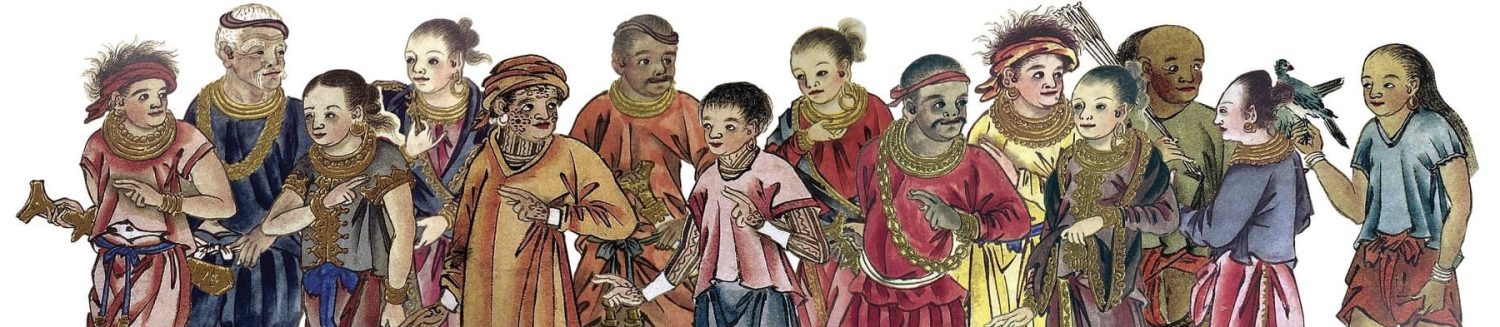
Early Philippine society was composed of diverse subgroups such as fishermen, farmers and hunter-gatherers, with some living in mountainside swiddens, some on houseboats and some in commercially developed coastal ports. Some subgroups were economically self-sufficient, and others had symbiotic relationships with neighboring subgroups.
WELCOME TO ANITISM
Welcome to my website, Jun 11, 2026
Francis Brandon van Balkom (Founder)
My name is Francis Brandon van Balkom, welcome to my website.
I have created this website for educational and religious purposes.
Enjoy!
Under construction, Jun 11, 2026
Francis Brandon van Balkom (Founder)
The website is currently under construction.
You are able to view the content that is available so far.
Stay tuned!
The approximately 7,641 Philippines islands divide into three main regions: Luzon, Visayas, and Mindanao (The three stars of the Philippine flag, each of which representing one of the country's three main island groups):